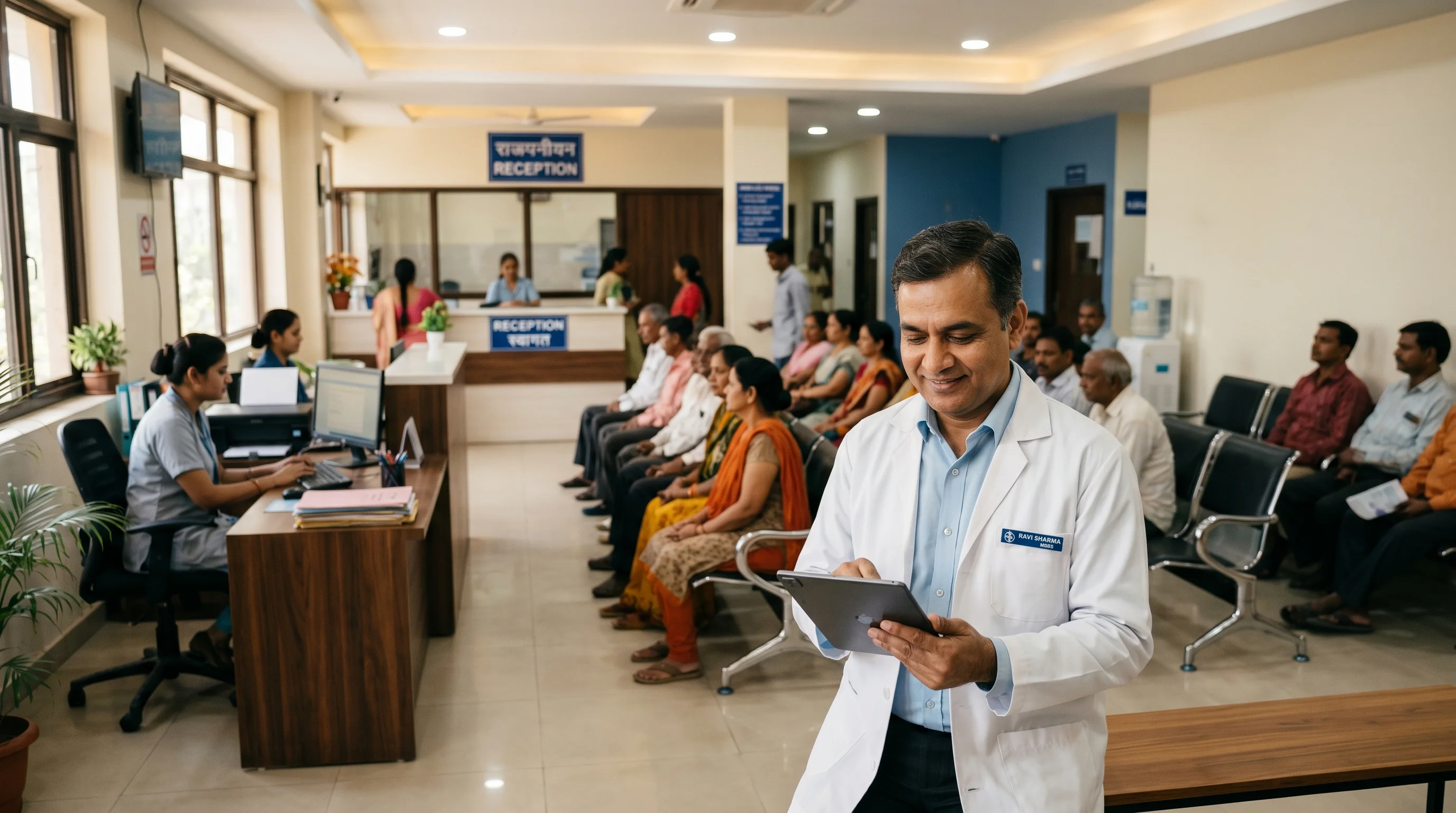
Beat Doctor Burnout: Managing High Patient Volume in India
Drowning in Patients, Thriving in Practice: Practical Tools to Beat Burnout
Dr. Sharma in Kanpur used to dread Mondays. The waiting room overflowed, patient files were a chaotic mix of paper and digital, and by evening, he was mentally and physically drained. Sound familiar? You're not alone. Many Indian doctors face relentless patient volumes, administrative overload, and the ever-present fear of making a mistake. This article is for you – the overworked clinic owner, the GP juggling 30 patients a day, the specialist trying to stay ahead of the curve. We’ll cut through the noise and offer practical, India-specific tools and strategies to manage high patient volume without burning out. This isn’t about working harder; it’s about working smarter.
This article is for:
- Clinic owners struggling with profitability and efficiency.
- Practicing doctors, both GPs and specialists, feeling overwhelmed by patient load.
- Small-to-mid-sized hospital administrators looking to improve staff well-being and patient care.
- Anyone seeking actionable, India-focused solutions to combat burnout in healthcare.
We'll cover everything from streamlining clinic operations to leveraging digital tools and prioritizing your own well-being. Let's get started.
1. Optimizing Clinic Workflow: The Patient Journey Makeover
The patient journey – from appointment booking to discharge – is often riddled with inefficiencies. Identifying and addressing these bottlenecks can significantly reduce workload and improve both patient and staff satisfaction.
Step 1: Map the Current Process.
Grab a whiteboard (or a large sheet of paper) and meticulously map out every step a patient takes, from their initial contact to leaving your clinic. Include:
- Appointment booking (phone, online, walk-in)
- Registration and paperwork
- Waiting time
- Consultation
- Diagnosis and treatment planning
- Prescription filling
- Payment
- Follow-up scheduling
Step 2: Identify Bottlenecks.
Analyze the map. Where are the delays? Where do patients get frustrated? Talk to your staff. They're on the front lines and have invaluable insights. Look for:
- Long waiting times (a common complaint in Indian clinics)
- Repetitive paperwork
- Inefficient communication between staff
- Lack of clarity about procedures
- Payment processing delays
Step 3: Implement Solutions.
Here are some practical solutions, with India-specific considerations:
- Online Appointment Booking: Implement a user-friendly online appointment booking system. This reduces phone calls and allows patients to book at their convenience.
- Tier 2/3 City Consideration: Ensure the system is available in local languages and offers support for patients less familiar with technology. Consider offering assisted booking options (e.g., a dedicated phone line).
- Cost: Many affordable options are available, ranging from ₹5,000 - ₹20,000 per year. Some EMRs include this feature.
- Digital Check-in: Replace paper forms with digital check-in via tablets or kiosks.
- Benefit: Reduces paperwork, improves data accuracy, and streamlines the registration process.
- Example: Dr. Patel in Surat implemented digital check-in and reduced registration time by 5 minutes per patient, freeing up valuable staff time.
- Streamlined Payment Processing: Offer multiple payment options (UPI, cards, cash) and use a POS system for faster transactions.
- Impact: Reduces queues and improves patient satisfaction.
- Note: Ensure your payment system complies with Indian regulations regarding digital payments.
- Pre-Consultation Questionnaires: Send questionnaires to patients before their appointment to gather basic information about their medical history and current symptoms.
- Result: Allows you to be better prepared for the consultation and reduces consultation time.
- Designated Roles: Clearly define roles and responsibilities for each staff member. This prevents confusion and ensures accountability.
- Efficient Patient Flow: Optimize the physical layout of your clinic to facilitate smooth patient flow. Consider a separate waiting area for patients with appointments and those without.
- Automated Reminders: Send automated appointment reminders via SMS and WhatsApp to reduce no-shows.
- ROI: Automated WhatsApp reminders can recover 5–9% of previously lost consultation revenue every working day. For a clinic seeing 30 patients per day at ₹500 per consultation, that is ₹18,000–₹32,400 recovered per month.
- Standardized Checklists: For common conditions, develop and use standardized checklists to ensure consistency and completeness of care. This can be particularly helpful for nurses and junior doctors.
2. Leveraging Technology: EMRs, Telehealth, and Beyond
Technology is a powerful tool for managing high patient volume and reducing administrative burden. Embracing digital solutions can free up your time and improve the quality of care.
Electronic Medical Records (EMRs): The Foundation
A robust EMR system is essential for any modern clinic. It centralizes patient information, streamlines workflows, and improves communication.
- Benefits:
- Reduced paperwork
- Improved data accuracy
- Faster access to patient information
- Better coordination of care
- Improved billing accuracy
- India-Specific Considerations:
- Ensure the EMR is compliant with Indian data privacy regulations.
- Choose an EMR that supports multiple languages.
- Prioritize EMRs that integrate with the Ayushman Bharat Digital Mission (ABDM). The NMC is pushing for this integration.
- Cost: Affordable clinic management software options are available for ₹10,000–₹30,000 per year. Some high-end software costs ₹1–9 lakhs.
- Example: Dr. Verma in Lucknow switched to an EMR and reported a 20% reduction in administrative tasks and a 15% improvement in billing accuracy.
Telehealth: Expanding Access and Reducing Workload
Telehealth allows you to provide care remotely, expanding access to patients and reducing the need for in-person visits for routine consultations and follow-ups.
- Benefits:
- Increased patient convenience
- Reduced waiting times
- Improved access to care for patients in remote areas
- Reduced risk of infection
- Reduced workload for doctors
- India-Specific Considerations:
- Ensure you comply with the Telemedicine Practice Guidelines issued by the Government of India.
- Consider offering telehealth services in multiple languages.
- Address concerns about internet connectivity and digital literacy among patients in Tier 2/3 cities.
- Example: A cardiologist in Chennai uses telehealth for post-operative follow-ups, reducing the need for patients to travel long distances and freeing up clinic space for new patients.
Other Useful Technologies:
- Practice Management Software: Manages appointments, billing, and other administrative tasks.
- Online Prescription Services: Allows you to send prescriptions directly to pharmacies, saving time for both you and your patients.
- Patient Portals: Provide patients with secure access to their medical records, appointment schedules, and communication tools.
- AI-Powered Diagnostic Tools: These tools can assist in diagnosis and treatment planning, improving accuracy and efficiency.
Table: Comparing Technology Solutions for Clinic Management
| Technology | Description | Benefits | Cost (₹/year, approximate) |
|---|---|---|---|
| EMR | Electronic Medical Record system | Reduced paperwork, improved data accuracy, better coordination of care | 10,000 - 9,00,000 |
| Telehealth Platform | Platform for conducting remote consultations | Increased patient convenience, reduced waiting times, expanded access to care | 5,000 - 50,000 |
| Practice Management | Software for managing appointments, billing, and administrative tasks | Streamlined operations, improved efficiency, reduced administrative burden | 8,000 - 40,000 |
| Patient Portal | Secure online platform for patients to access their medical records and communicate with the clinic | Increased patient engagement, improved communication, reduced phone calls to the clinic | Included in some EMRs |
3. Delegation and Teamwork: Empowering Your Staff
You can't do everything yourself. Delegating tasks to your staff and fostering a strong team environment are crucial for managing high patient volume and preventing burnout.
Step 1: Identify Tasks for Delegation.
Review your daily tasks and identify those that can be safely and effectively delegated to qualified staff members. This may include:
- Taking patient histories
- Measuring vital signs
- Administering vaccinations
- Providing patient education
- Managing phone calls
- Scheduling appointments
- Handling billing and insurance claims
Step 2: Train and Empower Your Staff.
Provide adequate training and support to your staff members so they can confidently and competently perform their delegated tasks.
- Importance: Invest in training programs to upskill your staff. This not only empowers them but also improves the quality of care.
- Example: Dr. Singh in Delhi trained his nurses to conduct basic health screenings, freeing up his time to focus on more complex cases.
Step 3: Foster a Collaborative Environment.
Create a team environment where staff members feel valued, respected, and empowered to contribute their ideas and expertise.
- Actions:
- Encourage open communication.
- Provide regular feedback.
- Recognize and reward good performance.
- Promote teamwork and collaboration.
- Impact: A supportive team can significantly reduce your workload and improve your job satisfaction.
Step 4: Regular Team Meetings
Schedule regular team meetings to discuss challenges, share best practices, and brainstorm solutions. This fosters a sense of shared ownership and improves team performance.
Example: Delegation in Action
Dr. Reddy, a busy GP in Hyderabad, implemented the following delegation strategy:
- Nurse: Trained to take patient histories, measure vital signs, administer vaccinations, and provide basic patient education.
- Receptionist: Trained to manage phone calls, schedule appointments, handle billing, and process insurance claims.
- Medical Assistant: Trained to assist with minor procedures, prepare examination rooms, and sterilize instruments.
As a result, Dr. Reddy was able to focus on diagnosing and treating patients, reducing his stress levels and improving the quality of care.
4. Prioritizing Your Well-being: Self-Care is Not Selfish
Burnout is a serious issue in the medical profession, and it's crucial to prioritize your own well-being. Remember, you can't effectively care for others if you're not taking care of yourself.
Step 1: Recognize the Signs of Burnout.
Be aware of the symptoms of burnout, which may include:
- Exhaustion
- Cynicism
- Reduced sense of accomplishment
- Increased irritability
- Difficulty concentrating
- Sleep disturbances
- Physical symptoms (e.g., headaches, stomach problems)
Step 2: Implement Self-Care Strategies.
Develop a self-care routine that works for you. This may include:
- Time Management: Learn to say "no" to non-essential tasks and prioritize your time effectively.
- Stress Management: Practice relaxation techniques such as meditation, yoga, or deep breathing exercises.
- Healthy Lifestyle: Maintain a healthy diet, get regular exercise, and ensure you get enough sleep.
- Hobbies and Interests: Dedicate time to activities you enjoy outside of work.
- Social Support: Connect with friends, family, or colleagues who can provide emotional support.
- Professional Help: Seek professional help from a therapist or counselor if you're struggling to cope with stress or burnout.
Step 3: Set Boundaries.
Establish clear boundaries between your work and personal life. This may include:
- Setting specific work hours and sticking to them.
- Avoiding work-related emails and phone calls outside of work hours.
- Taking regular breaks during the day.
- Taking vacations and time off.
Example: A Doctor's Self-Care Routine
Dr. Gupta, a pediatrician in Mumbai, incorporates the following self-care activities into her daily routine:
- 30 minutes of yoga in the morning
- Healthy lunch with colleagues
- 15-minute meditation break in the afternoon
- Evening walk with her family
- Reading before bed
By prioritizing her well-being, Dr. Gupta is able to maintain a healthy work-life balance and provide high-quality care to her patients.
Important Note: The Medical Council of India (now the National Medical Commission) emphasizes the importance of doctors' well-being and encourages them to seek support when needed.
5. Understanding and Adhering to Regulatory Compliance
Navigating the complex landscape of healthcare regulations in India can be overwhelming. However, understanding and adhering to these regulations is crucial for protecting your practice and ensuring patient safety.
Key Regulatory Bodies:
- National Medical Commission (NMC): Sets standards for medical education and practice in India.
- National Health Authority (NHA): Implements and manages key healthcare programs such as Ayushman Bharat Pradhan Mantri Jan Arogya Yojana (AB PM-JAY) and Ayushman Bharat Digital Mission (ABDM).
- National Accreditation Board for Hospitals & Healthcare Providers (NABH): Provides accreditation to hospitals and healthcare organizations that meet certain quality standards.
- State Medical Councils: Regulate the practice of medicine within their respective states.
Key Regulations:
- Clinical Establishments (Registration and Regulation) Act, 2010: Regulates the establishment and operation of clinical establishments in India.
- Pre-Conception and Pre-Natal Diagnostic Techniques (PCPNDT) Act, 1994: Prohibits sex selection before or after conception.
- Biomedical Waste Management Rules, 2016: Regulates the management and disposal of biomedical waste.
- Data Privacy Regulations: Protect patient data and ensure confidentiality.
- Ayushman Bharat Digital Mission (ABDM): Promotes the adoption of digital health technologies and interoperability of healthcare systems.
Strategies for Compliance:
- Stay Updated: Regularly review updates and amendments to relevant regulations.
- Seek Expert Advice: Consult with legal and regulatory experts to ensure compliance.
- Implement Policies and Procedures: Develop and implement policies and procedures that comply with all applicable regulations.
- Train Staff: Provide training to staff members on relevant regulations and procedures.
- Conduct Regular Audits: Conduct regular internal audits to identify and address compliance gaps.
- Digital Solutions for Compliance: Utilize software solutions designed to assist with regulatory compliance.
Cost of Non-Compliance:
Non-compliance with healthcare regulations can result in:
- Fines and penalties
- Suspension or revocation of licenses
- Reputational damage
- Legal action
Example: ABDM Compliance
The Ayushman Bharat Digital Mission (ABDM) aims to create a nationwide, interoperable digital health infrastructure. To comply with ABDM, clinics need to:
- Generate and link ABHA IDs for patients.
- Integrate their EMR systems with the ABDM platform.
- Comply with data privacy and security requirements.
The NHA provides resources and support to help clinics comply with ABDM.
6. Adapting to Tier 2/3 City Realities
Running a clinic in a Tier 2 or Tier 3 city in India presents unique challenges and opportunities. While many of the strategies discussed above apply across the board, it's important to tailor your approach to the specific context of your location.
Challenges:
- Limited Resources: Access to resources such as skilled staff, advanced equipment, and reliable internet connectivity may be limited.
- Lower Awareness: Patient awareness of healthcare services and technologies may be lower.
- Trust Gap: Patients may have less trust in local healthcare providers and may prefer to travel to larger cities for treatment.
- Financial Constraints: Patients may have limited financial resources, making it difficult to afford healthcare services.
- Infrastructure Deficiencies: Smaller facilities suffer from underdeveloped infrastructure and limited availability of advanced medical and diagnostic equipment.
- Specialist Shortage: Tier-2/3 cities struggle with specialist recruitment and retention.
Opportunities:
- Growing Market: Tier 2 and Tier 3 cities are growing rapidly, with rising populations and increasing demand for quality healthcare services.
- Less Competition: Competition from other healthcare providers may be less intense than in larger cities.
- Strong Community Ties: Building strong relationships with the local community can be a key differentiator.
- Lower Operating Costs: Rent and labor costs are generally lower in Tier 2 and Tier 3 cities.
Strategies for Success in Tier 2/3 Cities:
- Build Trust: Focus on building trust with patients through transparent communication, personalized care, and community engagement.
- Leverage Technology: Utilize technology to overcome resource constraints and improve access to care. Telehealth can be particularly valuable in reaching patients in remote areas.
- Affordable Pricing: Offer affordable pricing options to make your services accessible to a wider range of patients.
- Community Outreach: Conduct community outreach programs to raise awareness of healthcare services and promote preventive care.
- Partner with Local Organizations: Collaborate with local organizations, such as NGOs and community groups, to reach underserved populations.
- Focus on Primary Care: Prioritize primary care services, which are often in high demand in Tier 2 and Tier 3 cities.
- Embrace Local Languages: Communicate with patients in their local languages to build rapport and improve understanding.
- Address Infrastructure Challenges: Invest in reliable infrastructure, such as backup power and internet connectivity, to ensure continuity of services.
- Staff Retention Strategies: Implement strategies to attract and retain qualified staff, such as competitive salaries, professional development opportunities, and a supportive work environment.
Example: A Successful Clinic in a Tier 3 City
Dr. Sharma, a GP in a small town in Uttar Pradesh, built a thriving practice by focusing on community engagement and affordable pricing. He offers free health camps in local villages, provides discounted services to low-income patients, and communicates with patients in their local dialect. As a result, he has earned the trust of the community and built a loyal patient base.
How Ayu Helps Your Clinic
Doctors today are drowning in data but starving for insight. Every consultation generates records — prescriptions, test results, imaging, vitals — scattered across EMRs, paper files, WhatsApp screenshots, and lab printouts.
Ayu is the clinical intelligence layer that sits on top of your existing setup — no migration, no disruption.
Whether you're on Crystal, YaraGo, or any other system, Ayu connects without requiring you to switch, migrate, or retrain your staff. Your workflow stays intact. Your intelligence gets upgraded.
Ask it anything:
- "What was this patient's blood sugar trend over the last 6 months?"
- "What medications are they currently on — and are there any interactions?"
- "How many of my patients missed follow-up after their last procedure?"
Before a patient walks in, Ayu has already read their history, summarized what's changed since their last visit, and flagged what needs attention. You walk in informed. They leave feeling heard.
Your EMR stores data. Ayu makes it useful.
Frequently Asked Questions
Common questions about managing high patient volume and preventing burnout
Conclusion
Managing high patient volume without burning out is a continuous process that requires a proactive and strategic approach. By optimizing your clinic workflow, leveraging technology, delegating tasks, prioritizing your well-being, understanding regulatory compliance, and adapting to the specific context of your location, you can create a more sustainable and fulfilling practice.
Take Action Today:
Schedule a 30-minute meeting with your staff this week to discuss one specific bottleneck in your clinic workflow and brainstorm solutions. Even a small improvement can make a big difference in reducing your workload and improving patient care. Your well-being, and your patients, are worth it.
Want to take control of your health records?
Ayu is a private health records app that keeps all your medical documents organised, accessible, and shareable — right from your phone.
- All records in one secure place
- Share with any doctor in seconds
- AI-powered report explanations