
Introduction
Embarking on a weight loss journey can feel like navigating a maze, especially with the buzz surrounding GLP-1 medications in India. You might be wondering, "Are these injections right for me? How do I even know if they're working?" It's completely understandable to feel a mix of hope and apprehension. This guide is designed to be your trusted companion, offering clarity and practical advice on tracking your weight loss progress while using GLP-1 medications. We'll break down the essentials, from understanding how these medications work to managing potential side effects and adjusting your diet. Let's navigate this journey together, armed with knowledge and support.
Key Takeaways:
- Understand how GLP-1 medications work for weight loss and diabetes management.
- Learn practical methods for tracking your progress, including weight, blood sugar, and side effects.
- Discover how to adapt your Indian diet to maximize the benefits of GLP-1 medications.
- Address common concerns about cost, accessibility, and potential side effects in the Indian context.
What Are GLP-1 Medications?
GLP-1 medications, short for Glucagon-Like Peptide-1 receptor agonists, are a class of drugs initially developed for managing type 2 diabetes. However, their impressive effects on weight loss have made them increasingly popular for individuals struggling with obesity.
Think of GLP-1 as a natural hormone your body releases after you eat. It acts like a messenger, telling your pancreas to release insulin, which helps lower blood sugar levels. It also signals your liver to stop producing so much sugar. Beyond blood sugar control, GLP-1 slows down the emptying of food from your stomach, leading to a feeling of fullness and reduced appetite.
In essence, GLP-1 medications mimic this natural hormone, amplifying its effects. They help regulate blood sugar, curb appetite, and ultimately contribute to weight loss.
GLP-1 Medications Available in India
The availability and status of GLP-1 medications in India are constantly evolving. Here’s an overview of some of the most discussed options:
| Medication | CDSCO Status | Form | Approved Use | Approx. Cost (₹) | Prescription Requirements |
|---|---|---|---|---|---|
| Semaglutide | |||||
| Ozempic | Approved for diabetes management. | Injection | Type 2 diabetes management (may be prescribed off-label for weight loss) | ₹8,800 per month (0.25 mg dose). Prices can vary. | Prescription required |
| Rybelsus | Approved for diabetes management. | Oral Tablet | Type 2 diabetes management | ₹2,971.5 for a pack of 10 3mg tablets. Prices may vary. | Prescription required |
| Wegovy | Approved for weight management and diabetes. | Injection | Chronic weight management, diabetes. | Previously started at ₹10,480 per month. May vary. | Prescription required |
| Generic Semaglutide | Approved for weight management and diabetes. | Injection | Chronic weight management, diabetes. | ₹1,290 - ₹4,500 per month (depending on brand, dosage, and formulation). | Prescription required |
| Obeda (Dr. Reddy's) | Approved for weight management and diabetes. | Injection | Chronic weight management, diabetes. | ₹4,200 per month for a once-weekly pen. | Prescription required |
| GLIPIQR (Glenmark) | Approved for weight management and diabetes. | Injection | Chronic weight management, diabetes. | ₹1,300 - ₹1,760 monthly for vials. | Prescription required |
| Semanat/Semafull (Natco) | Approved for weight management and diabetes. | Injection | Chronic weight management, diabetes. | ₹1,290 per month for multi-dose vials (lowest dose); ₹4,000 - ₹4,500 for pre-filled pens. | Prescription required |
| Semaglyn/Mashema/Alterme (Zydus Lifesciences) | Approved for weight management and diabetes. | Injection | Chronic weight management, diabetes. | Approximately ₹2,200 per month. | Prescription required |
| Liraglutide | |||||
| Victoza | Availability and CDSCO status need further confirmation. | Injection | Type 2 diabetes management | Prices vary; check with local pharmacies. | Prescription required |
| Tirzepatide | |||||
| Mounjaro | Launched in India. | Injection | Type 2 diabetes management | Prices vary; check with local pharmacies. | Prescription required |
| Dulaglutide | |||||
| Trulicity | Available in India. | Injection | Type 2 diabetes management | Prices vary; check with local pharmacies. | Prescription required |
Important Notes:
- CDSCO Status: CDSCO refers to the Central Drugs Standard Control Organization, India's national regulatory body for pharmaceuticals. The "CDSCO Status" indicates whether a drug is approved for use in India.
- Prescription Requirements: All GLP-1 medications listed above require a valid prescription from a registered medical practitioner (endocrinologist, internal medicine specialist, or cardiologist) in India. They are Schedule H prescription drugs, and unauthorized sales are strictly monitored.
- Costs: Prices are approximate and can vary based on location, pharmacy, and discounts. It's always best to check with your local pharmacy for the most accurate pricing.
- Availability: Due to fluctuating supply and demand, the availability of specific GLP-1 medications may vary. Consult your doctor and pharmacist for the latest information.
- Generic Versions: With the patent expiry of some GLP-1 medications, several Indian pharmaceutical companies have launched generic versions, making them more affordable. Discuss generic options with your doctor.
Who Should Consider GLP-1 Medications?
GLP-1 medications aren't a one-size-fits-all solution. They're typically considered for individuals who meet specific criteria:
- Type 2 Diabetes: GLP-1 medications are a valuable tool for managing blood sugar levels in people with type 2 diabetes, especially when other treatments haven't been sufficiently effective.
- Obesity: Individuals with a Body Mass Index (BMI) of 30 or higher, or a BMI of 27 or higher with weight-related health conditions (such as high blood pressure, high cholesterol, or sleep apnea), may be candidates for GLP-1 medications for weight loss. Remember the "Asian Indian Phenotype" – South Asians may have higher body fat and insulin resistance at lower BMI levels.
- PCOS: Some doctors may consider GLP-1 medications for women with Polycystic Ovary Syndrome (PCOS), particularly if they have insulin resistance or are struggling with weight management.
- Insulin Resistance: Individuals with significant insulin resistance, even without a formal diagnosis of diabetes, might benefit from GLP-1 medications under the guidance of a healthcare professional.
When Doctors Recommend Them:
Doctors typically recommend GLP-1 medications after a thorough evaluation of your health history, current medications, and lifestyle. They'll consider factors such as:
- Your blood sugar control (if you have diabetes)
- Your weight and BMI
- Any other health conditions you may have
- Your commitment to lifestyle changes (diet and exercise)
Who Should NOT Use Them (Contraindications):
GLP-1 medications are not suitable for everyone. Contraindications include:
- Type 1 Diabetes: GLP-1 medications are not effective for type 1 diabetes, as they rely on the body's ability to produce insulin.
- Pregnancy and Breastfeeding: GLP-1 medications are generally not recommended during pregnancy or breastfeeding due to potential risks to the fetus or infant.
- History of Pancreatitis: Individuals with a history of pancreatitis should avoid GLP-1 medications, as they may increase the risk of recurrence.
- Certain Thyroid Conditions: People with a history of medullary thyroid carcinoma (MTC) or multiple endocrine neoplasia syndrome type 2 (MEN 2) should not use GLP-1 medications.
- Severe Gastrointestinal Disorders: Individuals with severe gastroparesis (delayed stomach emptying) or other significant gastrointestinal issues may not tolerate GLP-1 medications well.
- Allergic Reactions: A known allergy to GLP-1 receptor agonists is a contraindication.
It's crucial to have an open and honest conversation with your doctor about your medical history and any concerns you may have before starting a GLP-1 medication.
How GLP-1 Medications Work in Your Body
Let's break down how GLP-1 medications work, step by step:
- Mimicking the Natural Hormone: GLP-1 medications act like the natural GLP-1 hormone that your body releases after you eat.
- Insulin Release: When your blood sugar levels rise after a meal, GLP-1 medications stimulate your pancreas to release insulin. Insulin helps transport glucose from your blood into your cells, where it can be used for energy.
- Glucagon Suppression: GLP-1 medications also reduce the secretion of glucagon, another hormone produced by the pancreas. Glucagon normally tells your liver to release stored glucose into the bloodstream. By suppressing glucagon, GLP-1 medications help prevent your blood sugar from rising too high.
- Slowing Gastric Emptying: GLP-1 medications slow down the rate at which food empties from your stomach into your small intestine. This can lead to a feeling of fullness and satiety, reducing your appetite and overall food intake.
- Appetite Control: By affecting appetite signals in the brain, GLP-1 medications can help reduce cravings and make it easier to stick to a calorie-controlled diet.
Why Tracking Matters:
Tracking your progress while taking GLP-1 medications is essential for several reasons:
- Individual Response: Everyone responds to GLP-1 medications differently. Tracking helps you understand how the medication is affecting your body.
- Effectiveness: Monitoring your weight, blood sugar, and other health markers allows you and your doctor to determine if the medication is working effectively for you.
- Side Effects: Tracking helps you identify and manage any side effects you may experience.
- Dosage Adjustments: Your doctor may need to adjust your dosage based on your response to the medication. Tracking provides valuable data to inform these adjustments.
- Motivation: Seeing tangible progress can be highly motivating and help you stay committed to your weight loss journey.
Side Effects to Know and Monitor
Like all medications, GLP-1 drugs can cause side effects. Most are mild and temporary, but it’s crucial to be aware of them.
Common Side Effects:
- Nausea: This is the most common side effect, especially when starting the medication or increasing the dose. It usually subsides over time.
- Vomiting: Some individuals may experience vomiting, particularly in the initial stages of treatment.
- Diarrhea: Loose stools are another common side effect, often related to the altered digestive process.
- Constipation: Conversely, some people may experience constipation due to the slowing of gastric emptying.
- Abdominal Pain: Mild abdominal discomfort or cramping is possible.
Rare but Serious Side Effects:
- Pancreatitis: Although rare, pancreatitis (inflammation of the pancreas) is a serious potential side effect.
- Thyroid Concerns: GLP-1 medications have been linked to an increased risk of certain thyroid tumors in animal studies. While the risk in humans is considered low, it's important to be aware of it, especially if you have a history of thyroid issues.
- Kidney Problems: In rare cases, GLP-1 medications can worsen existing kidney problems.
What to Do If Side Effects Occur:
- Mild Side Effects: For mild side effects like nausea, vomiting, or diarrhea, try these tips:
- Eat smaller, more frequent meals.
- Avoid fatty, fried, or spicy foods.
- Stay hydrated by drinking plenty of water or clear liquids.
- Consider over-the-counter remedies like ginger or anti-nausea medications (after consulting your doctor).
- Severe or Persistent Side Effects: If you experience severe or persistent side effects, contact your doctor promptly. They may need to adjust your dosage or recommend alternative treatments.
When to Call Your Doctor Immediately:
Seek immediate medical attention if you experience any of the following:
- Severe abdominal pain that radiates to your back: This could be a sign of pancreatitis.
- Yellowing of your skin or eyes (jaundice): This could indicate liver problems.
- Signs of an allergic reaction: Rash, itching, swelling, difficulty breathing.
- Decreased urination or swelling in your legs or ankles: These could be signs of kidney problems.
- Persistent vomiting or diarrhea that leads to dehydration:
- Changes in vision:
GLP-1 and the Indian Diet: What to Eat, What to Avoid
Adapting your diet is crucial for maximizing the benefits of GLP-1 medications and minimizing side effects. The good news is that you can still enjoy many of your favorite Indian dishes with a few modifications.
Compatibility with Typical Indian Meals:
- Roti/Chapati: Opt for whole-wheat roti or chapati instead of refined flour versions. Whole grains are higher in fiber, which can help regulate blood sugar and promote satiety.
- Rice: Choose brown rice or basmati rice over white rice. These varieties have a lower glycemic index, meaning they release sugar into the bloodstream more slowly. Control portion sizes.
- Dal: Dal is an excellent source of protein and fiber. Include a variety of dals in your diet.
- Vegetables: Load up on non-starchy vegetables like spinach, okra (bhindi), cauliflower, and eggplant. They are low in calories and high in nutrients.
- Spicy Food: While spices are generally fine, be mindful of the oil content in spicy dishes. Opt for dishes that are steamed, baked, or grilled rather than fried.
Foods That Worsen Nausea:
Certain foods can exacerbate nausea, a common side effect of GLP-1 medications. Try to avoid or limit the following:
- Fatty Foods: Fried foods, rich curries, and oily snacks can be difficult to digest and may worsen nausea.
- Spicy Foods: While some spices are fine, very spicy foods can irritate the stomach.
- Sweet Foods: Sugary foods and drinks can cause rapid spikes in blood sugar, which can contribute to nausea.
- Processed Foods: Packaged snacks, processed meats, and sugary cereals are often high in unhealthy fats, sugar, and sodium, which can worsen nausea and hinder weight loss.
Practical Meal Adjustments:
- Portion Control: Pay close attention to portion sizes. Use smaller plates and bowls to help you eat less.
- Prioritize Protein: Include a source of protein in every meal, such as dal, lentils, chicken, fish, or tofu. Protein helps you feel full and satisfied.
- Increase Fiber: Fiber-rich foods like whole grains, fruits, and vegetables can help regulate blood sugar, promote satiety, and prevent constipation.
- Limit Refined Carbs: Reduce your intake of white bread, white rice, and sugary snacks.
- Healthy Fats: Incorporate healthy fats like nuts, seeds, and avocados in moderation.
- Hydration: Drink plenty of water throughout the day to stay hydrated and aid digestion.
- Mindful Eating: Pay attention to your hunger and fullness cues. Eat slowly and savor your food.
Example Meal Plan for Indian Patients on GLP-1 Medications:
- Breakfast:
- Oats porridge with nuts and seeds
- Moong dal chilla with vegetable stuffing
- Egg omelet with whole-wheat toast
- Lunch:
- Brown rice with dal and vegetable curry
- Chicken or fish curry with roti and salad
- Lentil soup with a side of vegetables
- Dinner:
- Vegetable stir-fry with tofu or paneer
- Grilled chicken or fish with roasted vegetables
- Khichdi (rice and lentil dish) with vegetables
- Snacks:
- A handful of nuts or seeds
- A piece of fruit
- Yogurt with berries
Remember to consult with a registered dietitian or nutritionist for personalized dietary advice tailored to your specific needs and preferences.
Cost and Accessibility in India
The cost of GLP-1 medications in India has been a significant barrier for many patients. However, the recent introduction of generic versions has brought some relief.
Price Range in ₹:
- Ozempic: ₹8,800 per month (0.25 mg dose). Prices can vary.
- Rybelsus: ₹2,971.5 for a pack of 10 3mg tablets.
- Wegovy: Previously started at ₹10,480 per month.
- Generic Semaglutide: ₹1,290 - ₹4,500 per month (depending on brand, dosage, and formulation).
- Obeda (Dr. Reddy's): ₹4,200 per month for a once-weekly pen.
- GLIPIQR (Glenmark): ₹1,300 - ₹1,760 monthly for vials.
- Semanat/Semafull (Natco): ₹1,290 per month for multi-dose vials (lowest dose); ₹4,000 - ₹4,500 for pre-filled pens.
- Semaglyn/Mashema/Alterme (Zydus Lifesciences): Approximately ₹2,200 per month.
These prices are approximate and can vary depending on the pharmacy, location, and any available discounts.
Where to Purchase:
GLP-1 medications are available at:
- Private Pharmacies: Most private pharmacies in urban areas stock GLP-1 medications.
- Hospital Pharmacies: Hospital pharmacies are another reliable source.
- Online Pharmacies: Several online pharmacies in India sell GLP-1 medications with a valid prescription. Ensure the online pharmacy is reputable and licensed.
Insurance Coverage Considerations:
Insurance coverage for GLP-1 medications in India can be limited. Many insurance policies do not cover weight loss medications, and coverage for diabetes medications may vary. Check with your insurance provider to understand your policy's coverage details.
Government Hospital Availability:
Availability of GLP-1 medications in government hospitals may be limited due to cost constraints and supply issues. However, some government hospitals may offer these medications to eligible patients with diabetes.
Affordability Tips:
- Discuss Generic Options: Talk to your doctor about generic versions of GLP-1 medications, which are typically more affordable.
- Pharmacy Shopping: Compare prices at different pharmacies to find the best deals.
- Patient Assistance Programs: Some pharmaceutical companies offer patient assistance programs that provide discounts or free medication to eligible individuals. Inquire with the manufacturer of the GLP-1 medication you are prescribed.
- Negotiate with Your Doctor: If cost is a major concern, discuss alternative treatment options with your doctor.
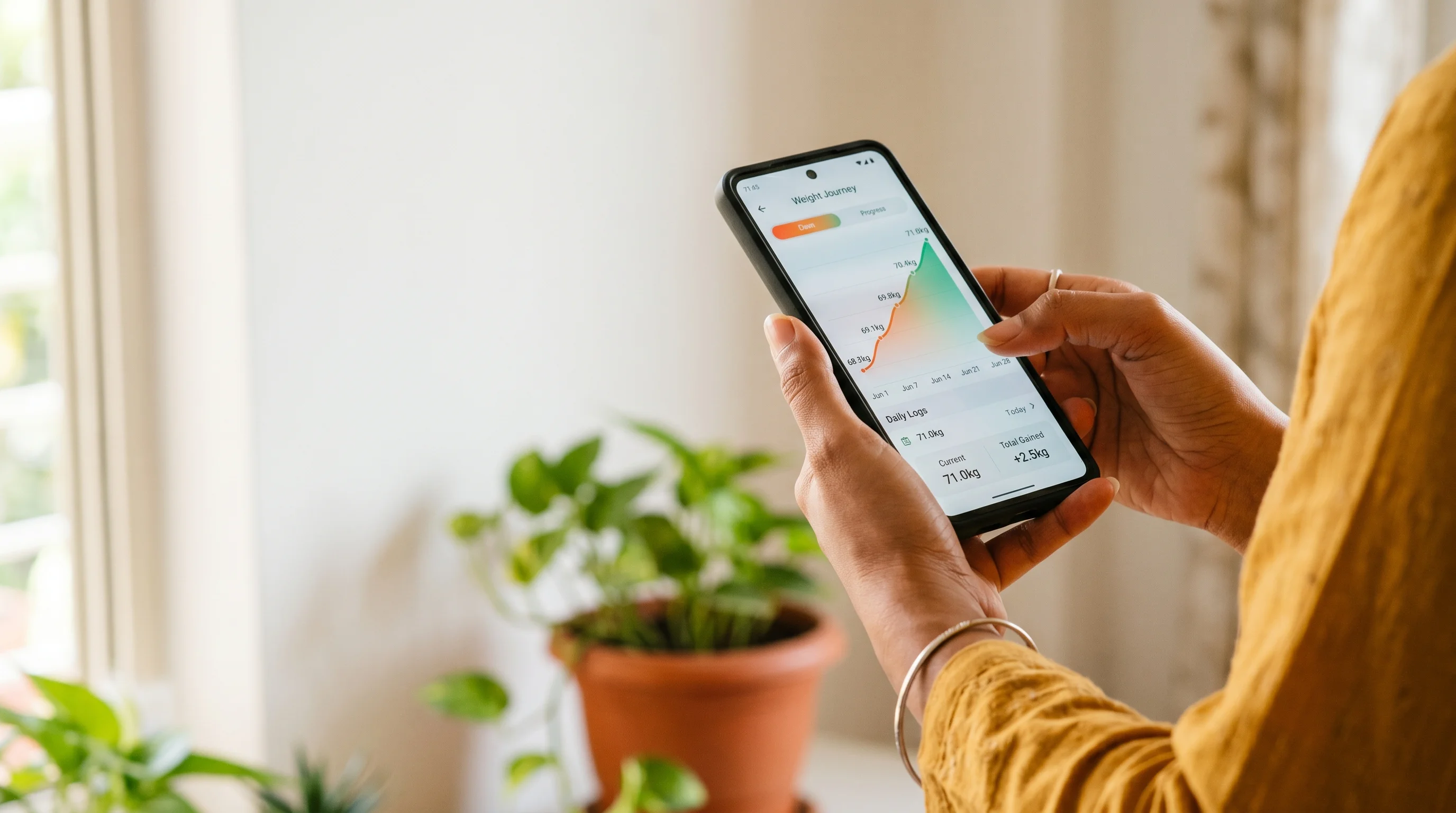
Tracking Your GLP-1 Journey on the Ayu App
If you're on a GLP-1 medication, three things matter most to track:
- Weight — Log weekly weigh-ins to see if the medication is working. Small, consistent drops are a good sign; sudden drops or no change over 8 weeks should prompt a doctor visit.
- Blood sugar levels — Track fasting and post-meal readings regularly. GLP-1s can cause hypoglycemia when combined with insulin or sulfonylureas — your log is your safety net.
- Side effects — Note nausea, vomiting, or any new symptoms with the date and severity. A written log helps your doctor adjust dosage without guesswork.
The Ayu app lets you log all three in one place and share a complete trend report with your doctor at every visit — no hunting through WhatsApp photos or paper diaries.
Frequently Asked Questions
Common questions about tracking weight loss on GLP-1 medications in India
Conclusion
Embarking on a weight loss journey with GLP-1 medications can be a promising step towards better health. Remember, it's a process that requires patience, commitment, and close collaboration with your healthcare team. By understanding how these medications work, tracking your progress diligently, and making necessary lifestyle adjustments, you can maximize their benefits and achieve your health goals.
The next step is clear: speak to your doctor before starting any GLP-1 medication. They can assess your individual needs, determine if these medications are right for you, and guide you on the path to a healthier future.


