
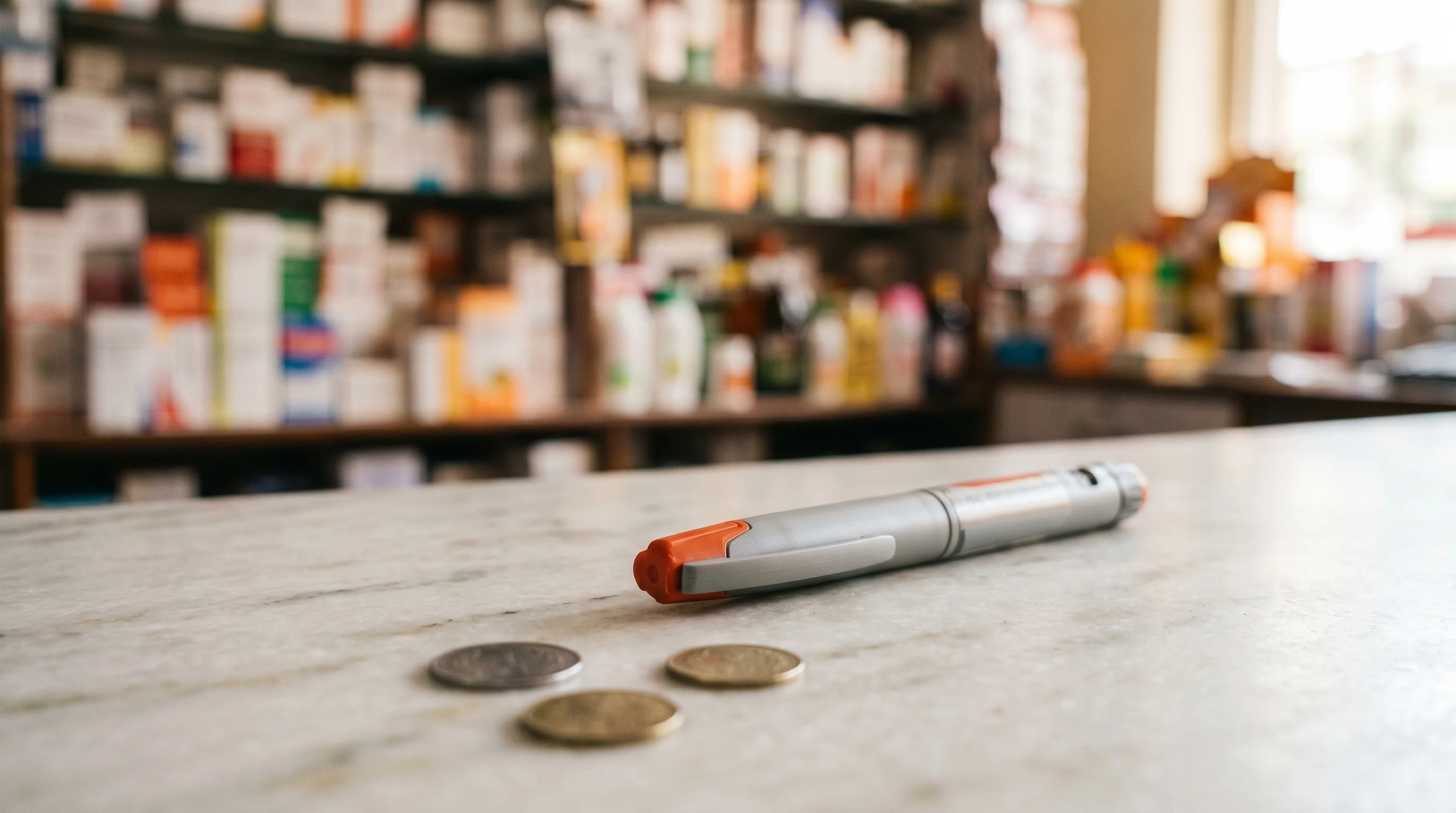
Semaglutide in India: Dosage, Side Effects, Cost & Where to Get It
Navigating the world of GLP-1 medications like Semaglutide can feel overwhelming, especially with so much information available. Are you wondering if these medications are right for you or your loved ones? Confused about the costs, availability, and potential side effects in the Indian context? You're not alone. Many Indian families are grappling with similar questions as they seek effective solutions for managing type 2 diabetes and obesity. This guide aims to provide clear, concise, and India-specific information to help you make informed decisions about Semaglutide and other GLP-1 receptor agonists.
Key Takeaways:
- Semaglutide medications like Ozempic, Rybelsus, and Wegovy are available in India for managing type 2 diabetes and, in some cases, obesity, but require a prescription.
- Generic versions of Semaglutide are now available in India, making them more affordable than the original branded medications.
- Understanding potential side effects and how they interact with the Indian diet is crucial for safe and effective use.
- Consulting with your doctor is essential to determine if Semaglutide is the right choice for you and to monitor your progress.
What Are GLP-1 Medications?
GLP-1 medications, short for Glucagon-Like Peptide-1 receptor agonists, are a class of drugs that mimic the action of a natural hormone called GLP-1. This hormone is released from your gut after you eat and plays a vital role in regulating blood sugar levels and appetite. Think of GLP-1 as a messenger that tells your body to release insulin, reduce sugar production in the liver, and slow down the emptying of your stomach.
These medications work by activating GLP-1 receptors in various parts of your body, including the pancreas, brain, and stomach. This activation leads to several beneficial effects, primarily helping to lower blood sugar levels and reduce appetite.
How They Help with Diabetes and/or Weight:
- Diabetes: By stimulating insulin release and suppressing glucagon secretion (a hormone that raises blood sugar), GLP-1 medications help to lower blood sugar levels in people with type 2 diabetes.
- Weight Management: GLP-1 medications can promote weight loss by reducing appetite, slowing down gastric emptying (making you feel fuller for longer), and potentially influencing brain areas involved in appetite control.
GLP-1 Medications Available in India
Here's a breakdown of the GLP-1 medications currently available in India, along with their status, form, approved uses, and estimated costs:
| Medication | CDSCO Status | Form | Approved Use(s) | Approx. Cost in ₹ (per month) | Prescription Requirements | Import Notes |
|---|---|---|---|---|---|---|
| Semaglutide | ||||||
| Ozempic | Approved | Injectable | Treatment of adults with type 2 diabetes mellitus as an adjunct to diet and exercise. Also approved to reduce the risk of major adverse cardiovascular events in adults with type 2 diabetes and established cardiovascular disease. | ₹8,800 (per pen, 4 doses) | Schedule H prescription drug | May face intermittent supply issues and is sometimes imported. Check with your doctor and pharmacy for availability. |
| Rybelsus | Approved | Tablet | Treatment of adults with type 2 diabetes mellitus as an adjunct to diet and exercise. | Varies depending on dosage and pharmacy. Consult your doctor and pharmacy for accurate pricing. | Schedule H prescription drug | Generally available in India, but check with your pharmacy. |
| Wegovy | Approved in June 2025 | Injectable | Chronic weight management in adults with obesity or overweight with at least one weight-related comorbidity, as an adjunct to a reduced-calorie diet and increased physical activity. | Pricing not yet available in India. | Schedule H prescription drug | Availability may vary depending on location and prescription requirements. |
| Noveltreat | Approved | Injectable | Treatment of adults with type 2 diabetes mellitus as an adjunct to diet and exercise. | ₹1,290 (starting price, per month) | Schedule H prescription drug | Generic semaglutide injection launched by Sun Pharma after the expiry of semaglutide patent in India in March 2026. |
| GLIPIQ | Approved | Injectable | Treatment of adults with type 2 diabetes mellitus as an adjunct to diet and exercise. | Varies depending on dosage and pharmacy. Consult your doctor and pharmacy for accurate pricing. | Schedule H prescription drug | Generic semaglutide injection launched by Glenmark in both vial and pre-filled pen formulations |
| Liraglutide | ||||||
| Victoza | Approved | Injectable | Treatment of type 2 diabetes mellitus as an adjunct to diet and exercise. May be used as an add-on therapy for weight loss. | ₹2,500 - ₹4,000 (per pre-filled pen) / ₹10,000 - ₹20,000 (per month) | Schedule H prescription drug | Generally available in India, but check with your pharmacy. |
| Tirzepatide | ||||||
| Mounjaro | Approved for diabetes and weight control in adults with obesity (BMI 30+) or overweight (BMI 27+) with related health problems. | Injectable | Treatment of adults with type 2 diabetes and for weight control in adults with obesity (BMI 30+) or overweight (BMI 27+) with related health problems. | Pricing not yet widely available; consult your doctor and pharmacy. | Schedule H prescription drug | Availability may vary; check with your pharmacy. |
Important Note: Prices can vary significantly depending on the pharmacy, location, and any discounts or promotions available. Always check with your doctor and local pharmacies for the most accurate and up-to-date pricing.
Who Should Consider GLP-1 Medications?
GLP-1 medications are not a one-size-fits-all solution. They are typically considered for specific patient profiles under the guidance of a qualified doctor.
Patient Profiles:
- Type 2 Diabetes: Individuals diagnosed with type 2 diabetes who are struggling to manage their blood sugar levels with diet, exercise, and other oral medications.
- Obesity: Adults with a Body Mass Index (BMI) of 30 or higher, or a BMI of 27 or higher with at least one weight-related health condition such as high blood pressure, high cholesterol, or sleep apnea.
- Polycystic Ovary Syndrome (PCOS): Some women with PCOS may benefit from GLP-1 medications due to their potential to improve insulin resistance and promote weight loss.
- Insulin Resistance: Individuals with insulin resistance, even without a formal diagnosis of diabetes, may be considered for GLP-1 medications to improve insulin sensitivity and reduce the risk of developing type 2 diabetes.
When Doctors Recommend Them:
Doctors typically recommend GLP-1 medications when:
- Other lifestyle modifications and medications have not been successful in achieving desired blood sugar control or weight loss goals.
- The patient has a strong preference for a medication that can potentially address both diabetes and weight management simultaneously.
- The patient has a high risk of cardiovascular events (for certain GLP-1 medications with proven cardiovascular benefits).
Who Should NOT Use Them (Contraindications):
GLP-1 medications are not suitable for everyone. Contraindications include:
- Type 1 Diabetes: GLP-1 medications are not effective for type 1 diabetes, as they rely on the body's own insulin production.
- History of Pancreatitis: Individuals with a history of pancreatitis should generally avoid GLP-1 medications due to the potential risk of recurrence.
- Medullary Thyroid Carcinoma (MTC) or Multiple Endocrine Neoplasia syndrome type 2 (MEN 2): Some GLP-1 medications have been linked to an increased risk of thyroid tumors in animal studies, so they are generally avoided in individuals with a personal or family history of MTC or MEN 2.
- Severe Gastrointestinal Disorders: Individuals with severe gastroparesis (delayed stomach emptying) or other significant gastrointestinal disorders may not tolerate GLP-1 medications well.
- Pregnancy and Breastfeeding: GLP-1 medications are generally not recommended during pregnancy or breastfeeding due to a lack of sufficient safety data.
How GLP-1 Medications Work in Your Body
GLP-1 medications exert their effects through a multi-faceted mechanism of action:
- Increased Insulin Release: When blood sugar levels rise, GLP-1 medications stimulate the pancreas to release more insulin. This helps to lower blood sugar levels and improve glucose control.
- Suppressed Glucagon Secretion: GLP-1 medications suppress the secretion of glucagon, a hormone that raises blood sugar levels by stimulating the liver to release stored glucose. By reducing glucagon secretion, GLP-1 medications further contribute to lowering blood sugar levels.
- Reduced Appetite: GLP-1 medications act on the brain to reduce appetite and increase feelings of fullness. This can lead to decreased food intake and weight loss.
- Slower Gastric Emptying: GLP-1 medications slow down the rate at which food empties from the stomach. This can help to reduce post-meal blood sugar spikes and promote feelings of satiety, further contributing to appetite control.
Why Tracking Matters (Response Varies Person to Person):
The response to GLP-1 medications can vary significantly from person to person. Some individuals may experience dramatic improvements in blood sugar control and weight loss, while others may have a more modest response. Tracking your progress is crucial for several reasons:
- Assessing Efficacy: Monitoring your blood sugar levels, weight, and other relevant parameters helps you and your doctor determine whether the medication is working effectively for you.
- Identifying Side Effects: Tracking any side effects you experience can help your doctor adjust the dosage or switch to a different medication if necessary.
- Personalizing Treatment: By carefully monitoring your response to the medication, your doctor can tailor your treatment plan to optimize your individual results.
- Promoting Adherence: Actively tracking your progress can help you stay motivated and adherent to your treatment plan.
Side Effects to Know and Monitor
While GLP-1 medications can be highly effective, it's essential to be aware of potential side effects. Most side effects are mild and temporary, but some can be more serious.
Common Side Effects:
- Nausea: This is the most common side effect, especially when starting the medication or increasing the dosage. It usually subsides over time.
- Vomiting: Some individuals may experience vomiting, particularly if nausea is severe.
- Diarrhea: Diarrhea is another common side effect, often occurring alongside nausea and vomiting.
- Constipation: In some cases, GLP-1 medications can cause constipation instead of diarrhea.
- Abdominal Pain: Abdominal pain or discomfort can occur due to changes in digestion.
Rare but Serious Side Effects:
- Pancreatitis: Although rare, pancreatitis (inflammation of the pancreas) is a serious potential side effect. Symptoms include severe abdominal pain, nausea, vomiting, and fever.
- Gallbladder Problems: GLP-1 medications can increase the risk of gallstones and gallbladder inflammation.
- Kidney Problems: In rare cases, GLP-1 medications can worsen kidney function, especially in individuals with pre-existing kidney disease.
- Thyroid Concerns: Some GLP-1 medications have been linked to an increased risk of thyroid tumors in animal studies, although this risk has not been definitively established in humans.
What to Do If Side Effects Occur:
- Mild Side Effects: For mild side effects like nausea or diarrhea, try eating smaller, more frequent meals, avoiding fatty or greasy foods, and staying hydrated. Your doctor may also recommend over-the-counter medications to relieve symptoms.
- Persistent or Severe Side Effects: If side effects are persistent or severe, contact your doctor. They may need to adjust your dosage or switch you to a different medication.
When to Call Your Doctor Immediately:
It's crucial to seek immediate medical attention if you experience any of the following symptoms:
- Severe abdominal pain that doesn't go away
- Persistent vomiting
- Fever
- Yellowing of the skin or eyes (jaundice)
- Dark urine
- Clay-colored stools
- Difficulty breathing
- Swelling of the face, lips, or tongue
- Signs of an allergic reaction, such as rash, itching, or hives
GLP-1 and the Indian Diet: What to Eat, What to Avoid
Adjusting your diet is essential for maximizing the benefits of GLP-1 medications and minimizing side effects. While there are no specific restrictions unique to the Indian diet, some general principles apply.
Compatibility with Typical Indian Meals (Roti, Rice, Dal, Spicy Food):
- Roti and Rice: Choose whole-grain options like whole wheat roti or brown rice over refined white rice. These have a lower glycemic index, meaning they release sugar into the bloodstream more slowly. Portion control is key.
- Dal: Dal is a healthy and nutritious source of protein and fiber. However, be mindful of the amount of oil or ghee used in preparation.
- Spicy Food: Spicy food can sometimes exacerbate nausea or heartburn in some individuals. If you find that spicy foods trigger your symptoms, try to reduce the level of spice in your meals.
Foods That Worsen Nausea:
- Fatty or Greasy Foods: These can slow down gastric emptying and worsen nausea. Avoid fried foods, rich gravies, and excessive amounts of oil or ghee.
- Sugary Foods and Drinks: These can cause rapid spikes in blood sugar, which can worsen nausea and other side effects. Limit your intake of sweets, desserts, and sugary beverages.
- Processed Foods: These are often high in unhealthy fats, sugar, and sodium, which can contribute to nausea and other side effects.
Practical Meal Adjustments:
- Eat Smaller, More Frequent Meals: This can help to prevent nausea and keep your blood sugar levels stable.
- Choose Lean Protein Sources: Include lean protein sources like chicken, fish, lentils, or tofu in your meals.
- Load Up on Fiber: Fiber-rich foods like fruits, vegetables, and whole grains can help to slow down digestion, promote feelings of fullness, and prevent constipation.
- Stay Hydrated: Drink plenty of water throughout the day to prevent dehydration and help with digestion.
- Be Mindful of Portion Sizes: Pay attention to your hunger cues and avoid overeating.
Cost and Accessibility in India
The cost and accessibility of GLP-1 medications in India can vary significantly depending on several factors.
Price Range in ₹ (Private Pharmacy, Hospital, Online):
- Ozempic: ₹8,800 per pen (4 doses)
- Rybelsus: Varies depending on dosage and pharmacy.
- Victoza: ₹2,500 - ₹4,000 per pre-filled pen / ₹10,000 - ₹20,000 per month
- Generic Semaglutide (Noveltreat): ₹1,290 (starting price, per month)
- Wegovy and Mounjaro: Pricing not yet widely available; consult your doctor and pharmacy.
Prices may vary between private pharmacies, hospitals, and online retailers. It's always a good idea to compare prices from different sources to find the best deal.
Insurance Coverage Considerations:
Insurance coverage for GLP-1 medications in India can be inconsistent. Some insurance plans may cover these medications for the treatment of type 2 diabetes, while others may not. Coverage for weight loss purposes is less common. Check with your insurance provider to determine your specific coverage benefits.
Government Hospital Availability:
GLP-1 medications may be available at some government hospitals, but availability can be limited and subject to certain eligibility criteria. Inquire at your local government hospital to see if they offer these medications.
Affordability Tips:
- Consider Generic Options: Generic versions of Semaglutide are now available in India, offering a more affordable alternative to the branded medications.
- Shop Around: Compare prices from different pharmacies to find the best deal.
- Ask About Discounts: Some pharmacies offer discounts for seniors or individuals with certain medical conditions.
- Patient Assistance Programs: Some pharmaceutical companies offer patient assistance programs that can help eligible individuals access medications at a reduced cost. Inquire with the manufacturer of the medication you are interested in to see if they offer any assistance programs.
Tracking Your GLP-1 Journey on the Ayu App
If you're on a GLP-1 medication, three things matter most to track:
- Weight — Log weekly weigh-ins to see if the medication is working. Small, consistent drops are a good sign; sudden drops or no change over 8 weeks should prompt a doctor visit.
- Blood sugar levels — Track fasting and post-meal readings regularly. GLP-1s can cause hypoglycemia when combined with insulin or sulfonylureas — your log is your safety net.
- Side effects — Note nausea, vomiting, or any new symptoms with the date and severity. A written log helps your doctor adjust dosage without guesswork.
The Ayu app lets you log all three in one place and share a complete trend report with your doctor at every visit — no hunting through WhatsApp photos or paper diaries.
Frequently Asked Questions
Common questions about Semaglutide dosage, cost, and availability in India
Conclusion
Taking control of your health with GLP-1 medications like Semaglutide can be a positive step towards managing type 2 diabetes and achieving weight loss goals. Remember, you're not alone on this journey. By understanding the medications, potential side effects, and how they fit into your lifestyle, you can make informed decisions with your doctor. The availability of generic versions in India makes these medications more accessible than ever before.
Clear Next Step: Speak to your doctor before starting any GLP-1 medication. They can assess your individual needs, determine if Semaglutide is right for you, and monitor your progress to ensure safe and effective treatment.


