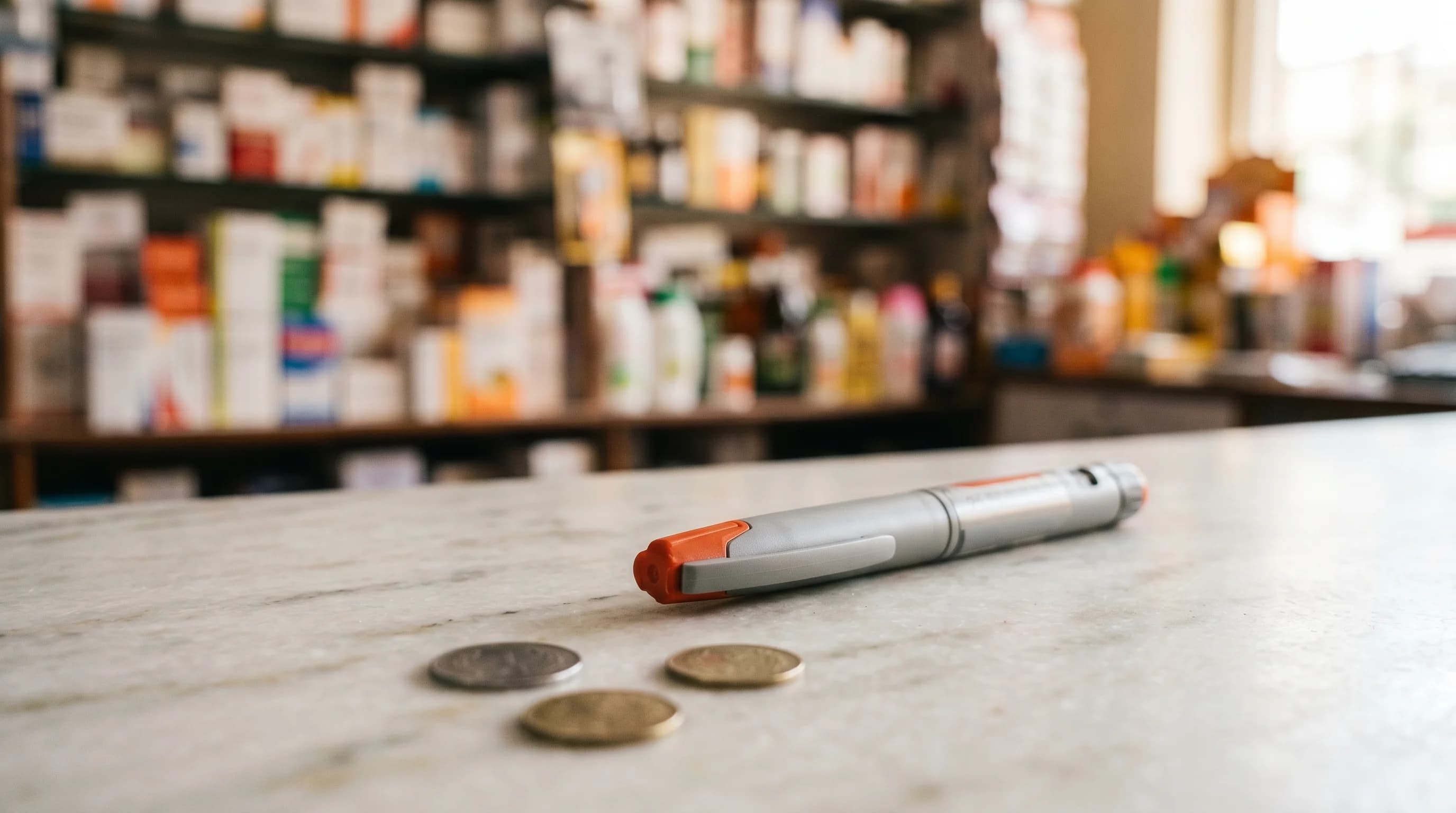
Ozempic (Semaglutide): Uses, Effects & Safety for Indians
Ozempic (Semaglutide): What to Know About Its Uses and Effects (For Indian Families)
Okay, so you've heard about Ozempic. Maybe a relative mentioned it, maybe you saw it on the news. It's become quite the buzzword, hasn't it? Especially with diabetes being so common in India. But what is it, really? And is it right for you or your family? Let's break it down, plain and simple.
Key Takeaways:
- Ozempic (Semaglutide) is primarily a medication for managing Type 2 diabetes by helping to lower blood sugar levels.
- While it can lead to weight loss, it's not a magic bullet and should be used under strict medical supervision.
- Diabetes is a major concern in India, with nearly 77 million people affected, so understanding treatments like Ozempic is crucial.
- It's important to be aware of potential side effects and discuss them with your doctor.
- Ozempic should always be used alongside lifestyle changes like diet and exercise, not instead of them.
Introduction:
Imagine Mrs. Sharma from Delhi. She's 55, has a sweet tooth she can't shake, and her doctor just told her she has Type 2 diabetes. Now, he's talking about a new medication, Ozempic. She's confused. Is it safe? Will it really help? Is it just for weight loss? These are the questions swirling in her head, and honestly, they're the same questions I hear every day in my clinic.
Ozempic, or Semaglutide, is primarily used to manage Type 2 diabetes. It helps lower blood sugar levels. And yes, it can sometimes lead to weight loss, which is why some people see it as a quick fix. But it's definitely not as simple as that. We're seeing an increase in its usage across India, and it's vital to understand what it does, what the side effects are, and whether it's the right choice for you, under the guidance of your doctor, of course.
This isn't a substitute for seeing a doctor, understand? This is just to give you some clear information before you have that conversation. Let's get started.
Medically Reviewed by Dr. Priya Kapoor, MD, Endocrinology, Apollo Hospital, Chennai
Table of Contents:
- Diabetes in India: The Numbers You Need to Know
- What Exactly Is Ozempic (Semaglutide)?
- How Does Ozempic Work?
- Ozempic in India: Availability and Cost
- Ozempic for Weight Loss: The Truth Behind the Hype
- Who Should (and Shouldn't) Take Ozempic?
- Ozempic Side Effects: What to Watch Out For
- Ozempic and Other Medications: Potential Interactions
- Ozempic vs. Other Diabetes Medications: A Comparison
- ICMR Guidelines and Best Practices for Diabetes Management
- Important Considerations for Indian Families
- Ethical Considerations of Using Ozempic for Weight Loss
- Global Supply Chain and Availability in India
- FAQ: Your Burning Questions Answered
- Conclusion
Diabetes in India: The Numbers You Need to Know
India is, unfortunately, the diabetes capital of the world. It's a sobering thought, but understanding the scope of the problem is the first step.
- A staggering 77 million people in India live with diabetes. That's second only to China ([IDF Diabetes Atlas, 10th Edition, 2021]). Think about that for a second. That's a lot of families affected.
- The prevalence rate is around 8.9% nationally. But it's not evenly distributed. You'll see higher rates in urban areas and certain states like Tamil Nadu and Punjab ([ICMR-INDIAB study, Lancet Diabetes & Endocrinology, 2018]). City life, with its processed foods and sedentary habits, definitely plays a role.
- These numbers are rising. Year after year, we see more and more people diagnosed. Lifestyle changes, genetics, and increased awareness all contribute. It's a worrying trend.
Why does this matter? Because diabetes, if not managed properly, can lead to serious complications: heart disease, kidney failure, blindness, nerve damage... the list goes on. And that's why understanding medications like Ozempic is so important. It's one tool in a larger toolbox.
What Exactly Is Ozempic (Semaglutide)?
Okay, let's get technical for a moment, but I promise to keep it simple. Ozempic is the brand name for a medication called Semaglutide. It belongs to a class of drugs called GLP-1 receptor agonists. That's a mouthful, I know!
Think of it this way: GLP-1 is a natural hormone in your body that helps regulate blood sugar. Ozempic mimics this hormone, giving it a boost. It's given as an injection, usually once a week.
How Does Ozempic Work?
So, how does this "mimicking" actually help?
- It stimulates insulin release. When your blood sugar is high, Ozempic tells your pancreas to release more insulin, which helps lower your blood sugar.
- It reduces glucagon secretion. Glucagon is a hormone that raises blood sugar. Ozempic suppresses it, further helping to keep your blood sugar levels in check.
- It slows down gastric emptying. This means food stays in your stomach longer, which can make you feel fuller and eat less. This is part of why people lose weight on Ozempic.
It's not a cure, understand? It's a management tool. It helps control blood sugar, but it doesn't fix the underlying problem of insulin resistance.
Ozempic in India: Availability and Cost
Is Ozempic available in India? Yes, it is. Novo Nordisk manufactures it, and you can find it in different dosage strengths.
Now, the big question: cost. This is where things get a little tricky.
- Expect to pay somewhere between ₹3,000 to ₹6,000 per pen. This can vary depending on the pharmacy and the dosage. That's per month, mind you.
- Generic alternatives? Not yet. As of now, Semaglutide is still under patent, so there aren't any generic versions available in India (as of October 2024).
- Insurance coverage? This is a mixed bag. Some insurance policies cover Ozempic, but many don't. It's crucial to check with your insurance provider.
The cost can be a significant barrier for many families in India. We'll talk more about managing this later.
Ozempic for Weight Loss: The Truth Behind the Hype
This is where things get a little complicated. Yes, Ozempic can lead to weight loss. We've seen it. It slows down gastric emptying, makes you feel fuller, and can reduce your appetite.
But here's what no one tells you:
- Ozempic is not primarily a weight-loss drug. It's for managing Type 2 diabetes. The weight loss is a side effect, not the main goal.
- It's not a magic bullet. You can't just take Ozempic and expect the weight to melt away while you continue eating samosas and gulab jamun every day. Lifestyle changes are essential.
- The weight loss may not be sustainable. Once you stop taking Ozempic, the weight often comes back if you haven't made long-term changes to your diet and exercise habits.
We've seen people take Ozempic only for weight loss, without diabetes, and that's where it gets ethically murky. It's a medication with potential side effects, and using it purely for cosmetic reasons is something to think long and hard about.
Who Should (and Shouldn't) Take Ozempic?
Ozempic is generally prescribed for adults with Type 2 diabetes who haven't been able to control their blood sugar levels with diet, exercise, and other medications like metformin.
However, it's not for everyone. You should not take Ozempic if:
- You have a history of pancreatitis. This medication can sometimes trigger pancreatitis.
- You have a personal or family history of medullary thyroid carcinoma (MTC). Ozempic carries a warning about this.
- You're allergic to Semaglutide or any of the other ingredients in Ozempic.
- You have Type 1 diabetes. Ozempic is not effective for Type 1 diabetes.
- You are pregnant or breastfeeding.
Always, always discuss your medical history with your doctor before starting Ozempic.
Ozempic Side Effects: What to Watch Out For
Like any medication, Ozempic has potential side effects. Most are mild and manageable, but it's important to be aware of them.
Common side effects include:
- Nausea: This is the most common side effect. It usually gets better over time.
- Vomiting: Sometimes goes hand-in-hand with the nausea.
- Diarrhea: Can be uncomfortable, but usually resolves on its own.
- Constipation: The opposite of diarrhea! Make sure you're drinking plenty of water.
- Abdominal pain: Can range from mild discomfort to more severe pain.
- Decreased appetite: This is part of why people lose weight, but it can also be a side effect.
Less common, but more serious, side effects include:
- Pancreatitis: As mentioned earlier, this is a serious inflammation of the pancreas.
- Gallbladder problems: Can lead to gallstones.
- Kidney problems: Ozempic can worsen existing kidney problems.
- Changes in vision: If you have diabetic retinopathy, Ozempic can sometimes worsen it.
- Hypoglycemia (low blood sugar): Especially if you're taking other diabetes medications.
It's important to report any side effects to your doctor, no matter how minor they seem.
Managing Common Side Effects
Okay, so you're experiencing some nausea. What can you do?
- Eat smaller, more frequent meals. Avoid large, heavy meals.
- Avoid fatty, greasy, and fried foods. Stick to bland, easily digestible foods.
- Drink plenty of fluids. Ginger ale or ginger tea can help with nausea.
- Talk to your doctor about anti-nausea medications. They can prescribe something if the nausea is severe.
For constipation:
- Increase your fiber intake. Eat more fruits, vegetables, and whole grains.
- Drink plenty of water.
- Consider a stool softener. Talk to your doctor or pharmacist about safe options.
Remember, most side effects are temporary and can be managed. Don't suffer in silence!
Ozempic and Other Medications: Potential Interactions
Ozempic can interact with other medications, so it's crucial to tell your doctor about everything you're taking, including over-the-counter drugs, herbal remedies, and supplements.
Some potential interactions include:
- Insulin: Taking Ozempic with insulin can increase your risk of hypoglycemia. Your doctor may need to adjust your insulin dose.
- Sulfonylureas (e.g., glimepiride, gliclazide): Similar to insulin, these medications can also increase your risk of hypoglycemia when taken with Ozempic.
- Warfarin: Ozempic can affect your INR (a measure of blood clotting) if you're taking warfarin.
Don't assume that just because something is "natural" it's safe to take with Ozempic. Always check with your doctor or pharmacist.
Ozempic vs. Other Diabetes Medications: A Comparison
Ozempic isn't the only medication for Type 2 diabetes. There are many others, each with its own pros and cons. Here's a quick comparison:
| Medication | How it Works | Benefits | Drawbacks |
|---|---|---|---|
| Metformin | Reduces glucose production in the liver, improves insulin sensitivity | Usually the first-line treatment, inexpensive, can help with weight loss | Can cause gastrointestinal side effects (diarrhea, nausea), risk of lactic acidosis (rare) |
| Sulfonylureas | Stimulates insulin release from the pancreas | Effective at lowering blood sugar, relatively inexpensive | Can cause hypoglycemia, weight gain |
| DPP-4 Inhibitors | Prevents the breakdown of GLP-1 | Generally well-tolerated, low risk of hypoglycemia | Can be less effective than other medications, may increase risk of pancreatitis (rare) |
| SGLT2 Inhibitors | Increases glucose excretion in the urine | Can help with weight loss, lowers blood pressure, may protect against heart and kidney disease | Can increase risk of urinary tract infections, yeast infections, dehydration |
| GLP-1 Receptor Agonists (e.g., Ozempic) | Mimics the effects of GLP-1 | Effective at lowering blood sugar, can lead to weight loss, may protect against heart disease | Can cause gastrointestinal side effects (nausea, vomiting, diarrhea), risk of pancreatitis (rare), more expensive than some other medications |
| Insulin | Replaces or supplements the body's own insulin | Most effective at lowering blood sugar | Can cause hypoglycemia, weight gain, requires injections |
This table is just a general overview. The best medication for you will depend on your individual needs and health conditions.
ICMR Guidelines and Best Practices for Diabetes Management
The Indian Council of Medical Research (ICMR) provides guidelines for the management of Type 2 diabetes in India. These guidelines emphasize a holistic approach, including:
- Lifestyle modifications: Diet, exercise, and weight management are the cornerstones of diabetes treatment.
- Individualized treatment: Diabetes management should be tailored to the patient's specific needs, health status, and other medications.
- Regular monitoring: Blood glucose levels, kidney function, and other relevant parameters should be monitored regularly.
- Medication: Medications like Ozempic may be used as an adjunct to lifestyle changes to help control blood sugar levels.
The ICMR guidelines recommend considering GLP-1 receptor agonists like Ozempic as a second-line or third-line therapy, after metformin and lifestyle changes have been tried. ([ICMR Guidelines for Management of Type 2 Diabetes, 2023]).
It's important to note that these guidelines are just recommendations. Your doctor will make the final decision about the best treatment plan for you.
Important Considerations for Indian Families
Diabetes management in India comes with its own unique set of challenges.
Dietary Adaptations for Indian Cuisine
Indian cuisine is delicious, but it can also be high in carbohydrates and fats. If you have diabetes, you may need to make some adjustments to your diet.
- Portion control: Be mindful of portion sizes. It's easy to overeat when faced with a table full of delicious food.
- Carbohydrate counting: Work with a registered dietitian to learn how to count carbohydrates and plan your meals accordingly.
- Choose whole grains: Opt for whole wheat roti, brown rice, and other whole grains instead of refined grains.
- Limit sugary drinks and sweets: These can quickly raise your blood sugar levels.
- Focus on vegetables and protein: Fill your plate with plenty of non-starchy vegetables and lean protein sources.
It is possible to enjoy Indian cuisine while managing your diabetes. It just takes a little planning and awareness.
Access in Rural Areas
Access to healthcare can be a challenge in rural areas of India. It may be difficult to find a doctor who is knowledgeable about diabetes management or to access medications like Ozempic.
Telemedicine can be a valuable tool for people living in rural areas. It allows you to connect with doctors and other healthcare providers remotely. Some pharmacies also offer home delivery of medications.
Don't let your location prevent you from getting the care you need. There are resources available to help.
Ethical Considerations of Using Ozempic for Weight Loss
The rising popularity of Ozempic for weight loss raises some ethical questions. Is it right to use a medication intended for diabetes management purely for cosmetic reasons?
Some concerns include:
- Supply shortages: Increased demand for Ozempic for weight loss can lead to shortages for people who need it for diabetes management.
- Side effects: Using Ozempic without diabetes exposes you to potential side effects without the potential benefits of blood sugar control.
- Medicalization of weight loss: Using medication to lose weight can reinforce the idea that weight loss is solely a medical issue, rather than a complex interplay of lifestyle, genetics, and social factors.
It's important to weigh the risks and benefits carefully before using Ozempic for weight loss. Talk to your doctor about other options, such as lifestyle changes and other weight-loss medications that are specifically approved for that purpose.
Global Supply Chain and Availability in India
The global supply chain can affect the availability of Ozempic in India. Manufacturing issues, increased demand, and other factors can lead to shortages.
If you're having trouble finding Ozempic, talk to your doctor or pharmacist. They may be able to suggest alternative medications or help you find a pharmacy that has it in stock.
FAQ: Your Burning Questions Answered
1. What is Ozempic and what is it used for?
Ozempic (Semaglutide) is a medication primarily used to treat Type 2 diabetes. It helps lower blood sugar levels by stimulating insulin release, reducing glucagon secretion, and slowing down gastric emptying.
2. What are the side effects of Ozempic?
Common side effects include nausea, vomiting, diarrhea, constipation, and abdominal pain. Less common but more serious side effects include pancreatitis, gallbladder problems, and kidney problems.
3. How much does Ozempic cost in India?
Expect to pay between ₹3,000 to ₹6,000 per pen, which typically lasts for a month. Prices can vary depending on the pharmacy and dosage.
4. Is Ozempic available in India?
Yes, Ozempic is available in India, manufactured by Novo Nordisk.
5. How does Ozempic work for weight loss?
Ozempic can lead to weight loss by slowing down gastric emptying and reducing appetite. However, it's not a weight-loss drug and should not be used solely for that purpose.
6. Who should not take Ozempic?
People with a history of pancreatitis, medullary thyroid carcinoma, or allergies to Semaglutide should not take Ozempic. It's also not suitable for people with Type 1 diabetes or who are pregnant or breastfeeding.
7. How long does it take for Ozempic to start working?
You may start to see improvements in your blood sugar levels within a few weeks of starting Ozempic. It can take several months to reach its full effect.
8. Can Ozempic cure diabetes?
No, Ozempic cannot cure diabetes. It's a management tool that helps control blood sugar levels.
9. What is the best time to take Ozempic?
Ozempic is typically injected once a week, at any time of day. You can take it with or without food.
10. What are the alternatives to Ozempic?
Alternatives to Ozempic include other GLP-1 receptor agonists, metformin, sulfonylureas, DPP-4 inhibitors, SGLT2 inhibitors, and insulin. Your doctor can help you choose the best option for you.
Medical Disclaimer: This article is for informational purposes only. Please consult your doctor before making health decisions.
Conclusion
Managing diabetes is a marathon, not a sprint. It requires a combination of lifestyle changes, medication, and regular monitoring. Ozempic can be a helpful tool, but it's not a substitute for a healthy lifestyle.
Here's the truth I tell my patients every day: Ozempic can help you control your blood sugar and maybe even lose some weight, but it's not a magic fix. The real key is to make sustainable changes to your diet and exercise habits. If you can do that, you'll be on your way to a healthier, happier life. Don't give up - you've got this!
Questions about your medications or prescriptions?
Ayu stores your prescriptions and medical records in one secure place so you always have the right information on hand.
- Keep all prescriptions organised
- Share records with your pharmacist or doctor
- Never miss important medication details
![Rybelsus vs Ozempic: Which is Best for Indians? [Guide]](/_next/image?url=https%3A%2F%2Fstorage.googleapis.com%2Fopen-files-app%2FBlogs%2520Images%2Frybelsus-vs-ozempic-india-comparison.webp&w=3840&q=75)