GLP-1 Side Effects: A Guide for Indian Patients | My Health
GLP-1 Side Effects: What Indian Patients Should Track and Report
Are you feeling overwhelmed by the buzz around GLP-1 medications? Perhaps you’ve been prescribed one for diabetes or weight management, or you’re simply curious about this new class of drugs. In India, where managing diabetes and obesity is a growing concern, understanding GLP-1 medications and their potential side effects is crucial. It's natural to feel a bit anxious when starting a new medication, especially when you hear so much about side effects. This guide is designed to help you navigate the world of GLP-1s with confidence, providing clear information relevant to Indian patients.
Key Takeaways:
- GLP-1 medications can be effective for managing type 2 diabetes and promoting weight loss, but they require careful monitoring.
- Being aware of potential side effects and knowing when to report them to your doctor is essential for safe and effective treatment.
- Adapting your diet to complement GLP-1 therapy, especially with Indian cuisine in mind, can minimize side effects and enhance results.
- Affordability and accessibility can be concerns in India, but generic options and government initiatives are improving the situation.
- Using tools like the Ayu app can help you track your progress and side effects, making it easier to communicate with your doctor.
What Are GLP-1 Medications?
GLP-1 medications, or GLP-1 receptor agonists, are a class of drugs that mimic the action of a natural hormone in your body called glucagon-like peptide-1 (GLP-1). This hormone is released from your gut after you eat and plays a vital role in regulating blood sugar levels. Think of GLP-1 as a messenger that tells your pancreas to release insulin when your blood sugar is high and signals your liver to stop producing sugar.
These medications are primarily used to treat type 2 diabetes by improving blood sugar control. They can also help with weight loss, as they slow down the rate at which food empties from your stomach and increase feelings of fullness. This can lead to reduced appetite and calorie intake.
GLP-1 Medications Available in India
Several GLP-1 medications are available in India, each with its own characteristics. Here's a breakdown:
| Medication | CDSCO Status | Form | Approved Use | Approx. Cost (₹) per Month | Prescription Required | Import Notes |
|---|---|---|---|---|---|---|
| Ozempic | Approved | Injection | Type 2 diabetes | 4,200 - 5,660 (Generic Options) | Yes | N/A |
| Rybelsus | Approved | Tablet | Type 2 diabetes | 2,971.5 (for 10 x 3mg tablets) - 5,660 (Generic options) | Yes | N/A |
| Victoza | Approved | Injection | Type 2 diabetes | Varies, check with your pharmacy. Patent expired. | Yes | N/A |
| Mounjaro | Approved | Injection | Type 2 diabetes | 14,000 - 27,500 | Yes | N/A |
| Wegovy | Approved | Injection | Chronic weight management/obesity | 8,640 (Novo Nordisk cut Indian prices by April 2026) | Yes | N/A |
Important Notes:
- CDSCO Status: This refers to the approval status from the Central Drugs Standard Control Organisation, India's regulatory body for pharmaceuticals.
- Cost: Prices can vary depending on the pharmacy, location, and any discounts available. It's always best to check with your local pharmacy for the most accurate pricing. Generic versions can significantly affect the prices.
- Prescription Required: All GLP-1 medications require a prescription from a qualified doctor in India.
- Import Notes: Generally, importing medications for personal use is restricted in India. It's best to obtain GLP-1 medications through legitimate sources within the country with a valid prescription.
Who Should Consider GLP-1 Medications?
GLP-1 medications are often considered for individuals who meet specific criteria. Let's look at some patient profiles and situations where doctors might recommend them.
Patient Profiles:
- Type 2 Diabetes: Individuals with type 2 diabetes who are unable to achieve adequate blood sugar control through diet, exercise, and other oral medications may benefit from GLP-1 therapy.
- Obesity: Some GLP-1 medications are specifically approved for chronic weight management in adults with obesity or overweight, especially those with weight-related health problems such as high blood pressure, high cholesterol, or sleep apnea.
- PCOS (Polycystic Ovary Syndrome): Women with PCOS often experience insulin resistance, which can contribute to weight gain and difficulty managing blood sugar. GLP-1 medications may be considered as part of a comprehensive treatment plan.
- Insulin Resistance: Individuals with insulin resistance, even without a formal diagnosis of diabetes or PCOS, may benefit from GLP-1 medications to improve their body's response to insulin.
When Doctors Recommend Them:
Your doctor might recommend a GLP-1 medication if:
- Your blood sugar levels remain high despite lifestyle changes and other medications.
- You are overweight or obese and have difficulty losing weight through diet and exercise alone.
- You have other health conditions, such as heart disease or kidney disease, that could benefit from the effects of GLP-1 medications.
- You are at high risk of developing heart disease or stroke.
Who Should NOT Use Them (Contraindications):
GLP-1 medications are not suitable for everyone. They are generally contraindicated in the following situations:
- Type 1 Diabetes: GLP-1 medications are not effective for type 1 diabetes, as these individuals do not produce insulin.
- History of Pancreatitis: Individuals with a history of pancreatitis should generally avoid GLP-1 medications, as they may increase the risk of recurrence.
- Medullary Thyroid Carcinoma: GLP-1 medications have been shown to cause thyroid tumors in animal studies, so they are generally avoided in individuals with a personal or family history of medullary thyroid carcinoma.
- Multiple Endocrine Neoplasia Syndrome Type 2 (MEN 2): Similar to medullary thyroid carcinoma, GLP-1 medications are generally avoided in individuals with MEN 2.
- Severe Gastrointestinal Disorders: Individuals with severe gastroparesis (delayed stomach emptying) or other severe gastrointestinal disorders may not tolerate GLP-1 medications well.
- Pregnancy and Breastfeeding: The safety of GLP-1 medications during pregnancy and breastfeeding has not been established, so they are generally avoided in these situations.
- Allergy: Individuals who are allergic to any of the ingredients in the GLP-1 medication should not use it.
Important Note: This is not an exhaustive list. It's crucial to discuss your medical history and any other medications you are taking with your doctor to determine if GLP-1 medications are right for you.
How GLP-1 Medications Work in Your Body
Let's break down how GLP-1 medications work in your body step by step:
- Mimicking the Natural Hormone: GLP-1 medications are designed to mimic the action of the naturally occurring GLP-1 hormone that your body produces after you eat.
- Insulin Release: When your blood sugar levels rise after a meal, GLP-1 medications stimulate your pancreas to release insulin. Insulin helps your body use glucose (sugar) for energy and lowers blood sugar levels.
- Glucagon Suppression: GLP-1 medications also suppress the release of glucagon, another hormone that raises blood sugar levels. By reducing glucagon secretion, these medications help prevent blood sugar from rising too high.
- Appetite Regulation: GLP-1 medications can affect your appetite by slowing down the rate at which food empties from your stomach. This can lead to increased feelings of fullness and reduced calorie intake. Think of it as feeling satisfied with smaller portions.
- Gastric Emptying: By slowing down gastric emptying, GLP-1 medications can also help prevent rapid spikes in blood sugar levels after meals. This can be particularly beneficial for individuals with diabetes.
Why Tracking Matters:
The response to GLP-1 medications can vary from person to person. Tracking your progress and any side effects is crucial for several reasons:
- Individual Response: Everyone's body responds differently to medications. Tracking allows you and your doctor to see how well the medication is working for you specifically.
- Dosage Adjustment: By monitoring your blood sugar levels, weight, and any side effects, your doctor can adjust the dosage of the medication to optimize its effectiveness and minimize any adverse effects.
- Early Detection of Problems: Tracking can help you detect any potential problems early on, such as hypoglycemia (low blood sugar) or other side effects that may require medical attention.
- Lifestyle Modifications: Tracking can also help you see how your lifestyle choices, such as diet and exercise, are affecting your blood sugar levels and weight. This can motivate you to make healthier choices.
- Improved Communication: Keeping a detailed record of your progress and any side effects makes it easier to communicate with your doctor and make informed decisions about your treatment plan.
Side Effects to Know and Monitor
Like all medications, GLP-1 medications can cause side effects. It's important to be aware of these potential side effects and know when to report them to your doctor.
Common Side Effects:
- Nausea: This is one of the most common side effects, especially when starting the medication or increasing the dose. It usually subsides over time.
- Vomiting: Some individuals may experience vomiting, especially if they eat too much or eat fatty foods.
- Diarrhea: Diarrhea is another common side effect, which can be caused by the medication slowing down the digestive process.
- Constipation: In some cases, GLP-1 medications can cause constipation instead of diarrhea.
- Abdominal Pain: Some individuals may experience abdominal pain or discomfort.
- Bloating: Bloating is another common gastrointestinal side effect.
- Decreased Appetite: GLP-1 medications can reduce appetite, which can be beneficial for weight loss but can also lead to nutritional deficiencies if not managed properly.
- Injection Site Reactions: For injectable GLP-1 medications, some individuals may experience redness, swelling, or pain at the injection site.
Rare but Serious Side Effects:
- Pancreatitis: Although rare, GLP-1 medications have been linked to an increased risk of pancreatitis (inflammation of the pancreas). Symptoms include severe abdominal pain, nausea, vomiting, and fever.
- Gallbladder Problems: GLP-1 medications can increase the risk of gallbladder problems, such as gallstones or cholecystitis (inflammation of the gallbladder). Symptoms include upper abdominal pain, fever, nausea, and jaundice (yellowing of the skin and eyes).
- Kidney Problems: In rare cases, GLP-1 medications can cause kidney problems, such as acute kidney injury.
- Thyroid Concerns: GLP-1 medications have been shown to cause thyroid tumors in animal studies. While the risk to humans is not fully understood, individuals with a personal or family history of medullary thyroid carcinoma or multiple endocrine neoplasia syndrome type 2 (MEN 2) should generally avoid GLP-1 medications.
- Hypoglycemia: When used in combination with other medications that lower blood sugar, such as insulin or sulfonylureas, GLP-1 medications can increase the risk of hypoglycemia (low blood sugar).
What to Do If Side Effects Occur:
- Common Side Effects: For mild side effects like nausea, diarrhea, or constipation, try the following:
- Eat smaller, more frequent meals.
- Avoid fatty or greasy foods.
- Stay hydrated by drinking plenty of water.
- Take over-the-counter medications for nausea, diarrhea, or constipation, as recommended by your doctor or pharmacist.
- Serious Side Effects: If you experience any serious side effects, such as severe abdominal pain, vomiting, fever, or jaundice, seek medical attention immediately.
When to Call Your Doctor Immediately:
- Severe Abdominal Pain: This could be a sign of pancreatitis or gallbladder problems.
- Persistent Vomiting: This can lead to dehydration and electrolyte imbalances.
- Signs of Hypoglycemia: Shaking, sweating, dizziness, confusion, rapid heartbeat.
- Jaundice (Yellowing of the Skin and Eyes): This could be a sign of liver or gallbladder problems.
- Difficulty Breathing or Swelling of the Face, Tongue, or Throat: This could be a sign of an allergic reaction.
- Any Other Unusual or Severe Symptoms: Trust your instincts and seek medical attention if you are concerned about any symptoms you are experiencing.
GLP-1 and the Indian Diet: What to Eat, What to Avoid
Navigating the Indian diet while on GLP-1 medications requires some careful consideration. Many traditional Indian dishes are high in carbohydrates and fats, which can exacerbate side effects like nausea and diarrhea. Here's a guide to help you make informed choices:
Compatibility with Typical Indian Meals:
- Roti and Rice: These are staples in most Indian diets. Opt for whole-wheat roti over refined flour roti, and choose brown rice over white rice. Portion control is key.
- Dal (Lentils): Dal is a great source of protein and fiber. It's generally well-tolerated, but be mindful of the amount of ghee or oil used in preparation.
- Vegetables: Load up on non-starchy vegetables like spinach, cauliflower, broccoli, and bell peppers. They are low in calories and high in nutrients.
- Spicy Food: Spicy food can sometimes worsen nausea and diarrhea. If you are sensitive to spices, try reducing the amount of chili peppers and other spices in your meals.
Foods That Worsen Nausea:
- Fried Foods: Samosas, pakoras, and other fried foods are high in fat and can trigger nausea.
- Rich, Creamy Dishes: Dishes like butter chicken and malai kofta are high in fat and can be difficult to digest.
- Sweets: Jalebi, gulab jamun, and other sweets are high in sugar and can cause blood sugar spikes, which can worsen nausea.
Practical Meal Adjustments:
- Portion Control: Reduce the portion sizes of carbohydrate-rich foods like roti and rice.
- Choose Whole Grains: Opt for whole-wheat roti, brown rice, and other whole grains over refined grains.
- Increase Fiber Intake: Add more fiber to your diet by eating plenty of vegetables, fruits, and lentils.
- Limit Fatty Foods: Reduce your intake of fried foods, rich creamy dishes, and sweets.
- Cook at Home: Cooking at home allows you to control the ingredients and portion sizes of your meals.
- Smaller, More Frequent Meals: Eating smaller, more frequent meals can help prevent nausea and keep your blood sugar levels stable.
- Hydration: Drink plenty of water throughout the day to stay hydrated.
- Mindful Eating: Pay attention to your body's signals and stop eating when you feel full.
Example Meal Plans:
- Breakfast:
- Oats with milk and fruits
- Vegetable upma
- Whole-wheat toast with egg
- Lunch:
- Brown rice with dal and vegetables
- Roti with vegetable curry and salad
- Chicken or fish with vegetables
- Dinner:
- Vegetable soup
- Roti with lentil soup and vegetables
- Grilled chicken or fish with vegetables
Consult a Dietician:
It's always a good idea to consult with a registered dietician who can help you create a personalized meal plan that meets your individual needs and preferences. They can provide guidance on how to adapt your traditional Indian diet to effectively manage your blood sugar levels and weight while on GLP-1 medications.
Cost and Accessibility in India
The cost and accessibility of GLP-1 medications in India can be a significant concern for many patients. Here's an overview of the factors involved:
Price Range (₹):
- Ozempic: ₹4,200 - ₹5,660 per month (generic options available)
- Rybelsus: ₹2,971.5 (for 10 x 3mg tablets) - ₹5,660 per month (generic options available)
- Victoza: Prices vary; check with your pharmacy as the patent has expired.
- Mounjaro: ₹14,000 - ₹27,500 per month
- Wegovy: ₹8,640 per month (projected)
These prices can vary depending on the pharmacy, location, and any discounts available. It's always best to check with your local pharmacy for the most accurate pricing.
Availability:
- Private Pharmacies: GLP-1 medications are generally available at private pharmacies in major cities and towns.
- Hospitals: Many hospitals also have in-house pharmacies where you can purchase these medications.
- Online Pharmacies: Several online pharmacies in India sell GLP-1 medications. However, it's important to ensure that you are purchasing from a reputable source with a valid prescription.
Insurance Coverage:
Insurance coverage for GLP-1 medications can vary depending on your insurance provider and policy. Some policies may cover the cost of these medications if they are prescribed for the treatment of diabetes, while others may not cover them for weight loss. Check with your insurance provider to understand your coverage options.
Government Hospital Availability:
Availability of GLP-1 medications in government hospitals can be limited, especially for newer medications like Mounjaro and Wegovy. However, some government hospitals may offer older GLP-1 medications like Victoza at a lower cost. Check with your local government hospital to inquire about availability and pricing.
Affordability Tips:
- Generic Options: Consider using generic versions of GLP-1 medications, which are typically more affordable than brand-name drugs.
- Pharmacy Discounts: Ask your pharmacist about any discounts or promotions that may be available.
- Patient Assistance Programs: Some pharmaceutical companies offer patient assistance programs that can help reduce the cost of medications for eligible individuals.
- Compare Prices: Shop around at different pharmacies to compare prices and find the best deal.
- Discuss with Your Doctor: Talk to your doctor about alternative medications or treatment options that may be more affordable.
Tracking Your GLP-1 Journey on the Ayu App
If you're on a GLP-1 medication, three things matter most to track:
- Weight — Log weekly weigh-ins to see if the medication is working. Small, consistent drops are a good sign; sudden drops or no change over 8 weeks should prompt a doctor visit.
- Blood sugar levels — Track fasting and post-meal readings regularly. GLP-1s can cause hypoglycemia when combined with insulin or sulfonylureas — your log is your safety net.
- Side effects — Note nausea, vomiting, or any new symptoms with the date and severity. A written log helps your doctor adjust dosage without guesswork.
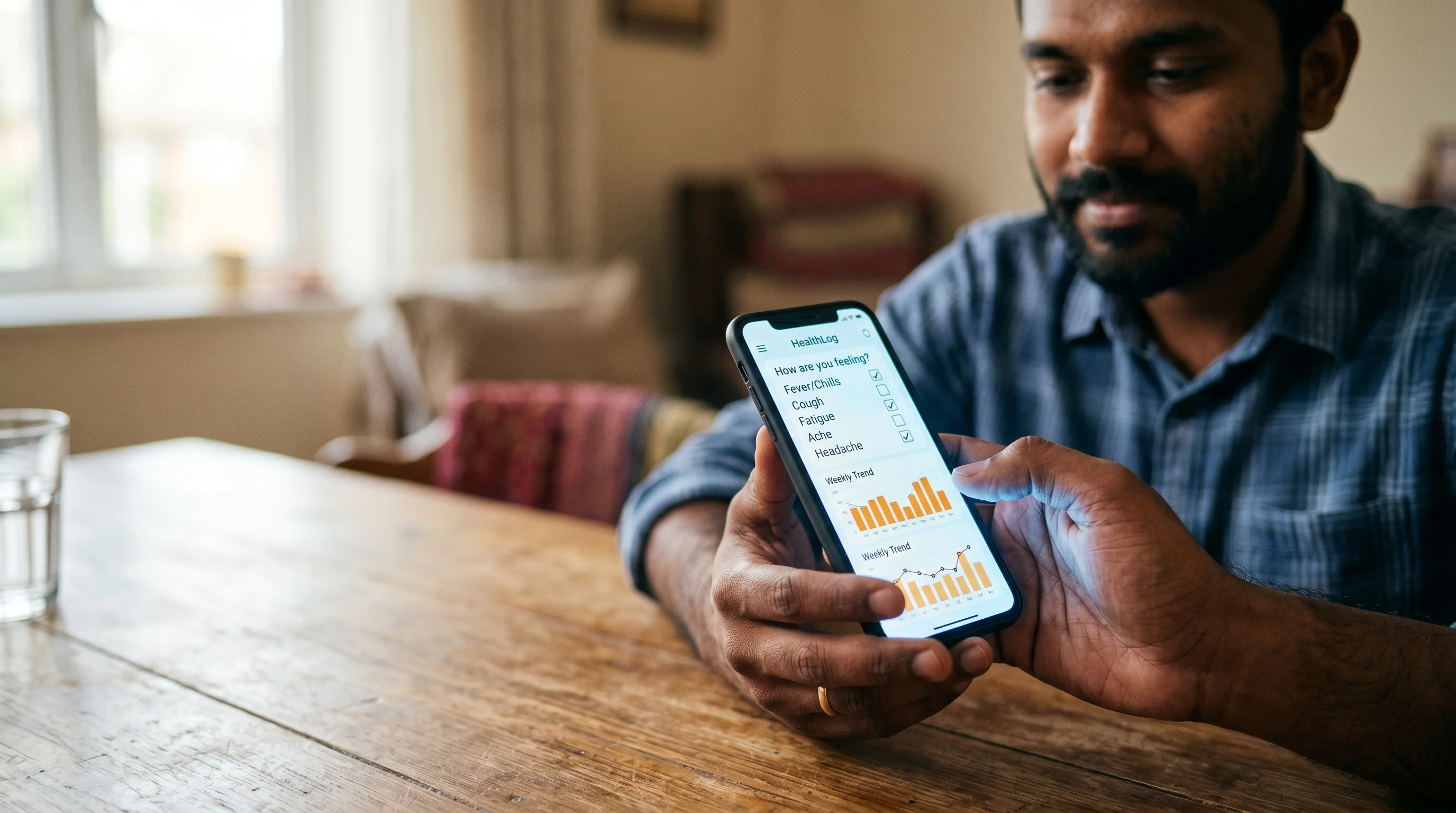
The Ayu app lets you log all three in one place and share a complete trend report with your doctor at every visit — no hunting through WhatsApp photos or paper diaries.
Frequently Asked Questions
Frequently asked questions about GLP-1 medications in India
Conclusion
Starting a GLP-1 medication can feel like a big step, but with the right information and support, you can navigate this journey with confidence. Remember to work closely with your doctor to monitor your progress, manage any side effects, and make any necessary adjustments to your treatment plan. GLP-1 medications can be a powerful tool for managing diabetes and promoting weight loss, but they are most effective when combined with a healthy lifestyle and regular medical care.
The most important thing to remember is to speak to your doctor before starting any GLP-1 medication. They can assess your individual needs and determine if these medications are right for you. Good luck on your journey to better health!
Questions about your medications or prescriptions?
Ayu stores your prescriptions and medical records in one secure place so you always have the right information on hand.
- Keep all prescriptions organised
- Share records with your pharmacist or doctor
- Never miss important medication details