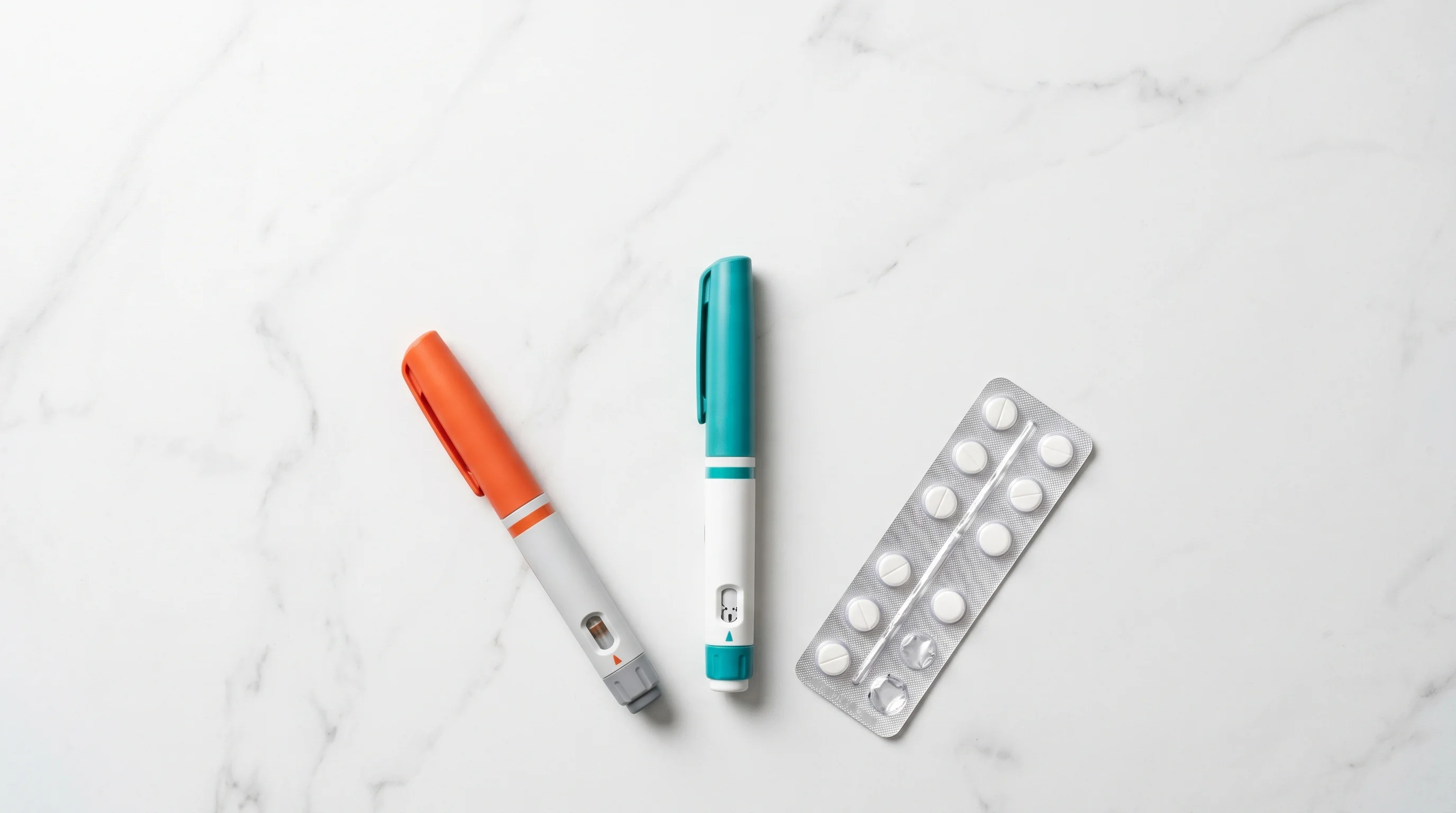
GLP-1 Medications in India: Ozempic, Rybelsus, Mounjaro Guide
Navigating GLP-1 Medications in India: A Comprehensive Guide for Families and Patients
Are you feeling overwhelmed by the buzz around GLP-1 medications like Ozempic, Rybelsus, Mounjaro, and Wegovy? It’s understandable. Sorting through the information, understanding their purpose, and figuring out if they’re right for you or your loved ones can be daunting, especially with the unique healthcare landscape in India. This guide is designed to provide clear, practical information tailored to the Indian context, addressing your concerns about cost, access, diet, and more.
Key Takeaways:
- GLP-1 medications are approved in India for managing type 2 diabetes and, in some cases, weight management. They work by mimicking a natural hormone in your body.
- While effective, they require a doctor's prescription and aren't suitable for everyone. Understanding potential side effects is crucial.
- Cost can be a significant factor in India. This guide provides price ranges and explores potential future affordability options.
- Lifestyle changes, particularly diet, are essential for maximizing the benefits of GLP-1 medications.
What Are GLP-1 Medications?
GLP-1 stands for Glucagon-Like Peptide-1. These medications are a class of drugs called GLP-1 receptor agonists. Think of them as “mimics” of a natural hormone your body already produces. This hormone, GLP-1, is released from your gut after you eat. GLP-1 medications work by binding to the GLP-1 receptors throughout your body, triggering a cascade of beneficial effects.
How They Help:
- For Diabetes: GLP-1 medications help lower blood sugar levels in people with type 2 diabetes. They stimulate the pancreas to release more insulin when blood sugar is high and suppress the release of glucagon, a hormone that raises blood sugar.
- For Weight Management: GLP-1 medications can also promote weight loss. They slow down the rate at which food empties from your stomach, leading to a feeling of fullness. They also act on the brain to reduce appetite.
GLP-1 Medications Available in India
Here's a breakdown of the GLP-1 medications currently available in India, along with key details:
| Medication | CDSCO Status | Form | Approved Use | Approximate Cost (₹) | Prescription Required | Notes |
|---|---|---|---|---|---|---|
| Ozempic | Approved | Injection | Type 2 Diabetes | 0.25 mg: 8,800/month 0.5 mg: 10,170/month 1 mg: 11,175/month Note: Prices may vary. Generic versions expected after March 2026, potentially costing ₹3,000-₹5,000/month. | Yes | Launched in India in December 2025. Available at major pharmacies and hospitals. Not intended for cosmetic weight loss. Natco Pharma Ltd. plans to make an injection for semaglutide with a starting price of 1,290 rupees ($14) a month, on the first day the generics are allowed. The pen device is expected to launch by April and cost about 4,500 rupees a month. |
| Rybelsus | Available | Oral Tablet | Type 2 Diabetes | Specific cost information for India not found. | Yes | Introduced in India in 2022. |
| Victoza | Available | Injection | Type 2 Diabetes | Availability and cost information for India not found. | Yes | Availability and cost information for India not found. |
| Mounjaro | Approved | Injection (Kwikpen) | Type 2 Diabetes, Weight Management | Vial: ₹3,500 (2.5 mg), ₹4,375 (5 mg) Kwikpen: ₹14,000 (2.5 mg), ₹17,500 (5 mg), ₹22,000 (7.5 mg, 10 mg), ₹27,500 (12.5 mg, 15 mg) Likely to cost ₹14,000 to ₹27,500 for a month's therapy, depending on the dosage. | Yes | Launched in India in March 2025 by Eli Lilly. Mounjaro Kwikpen was approved by India's drug regulator in June 2025. |
| Wegovy | Approved | Injection (Pen) | Weight Management, Type 2 Diabetes | ₹10,850 to ₹16,400 per month, depending on the dose. 0.25 mg starting dose costs ₹10,850 per month (₹2,712 weekly). The smallest doses of 0.25 mg, 0.5 mg and 1 mg cost 17,345 rupees a month, and its highest doses of 1.7 mg and 2.4 mg cost 24,280 rupees and 26,015 rupees a month, respectively. Average price per pen: ₹18,000 – ₹28,000 (based on dose: 0.25 mg → 2.4 mg). Monthly cost: ₹20,000 – ₹40,000, including dosage escalation and handling. | Yes | Launched in India in June 2025 in multiple dose strengths in a similar pen device. |
Important Note: Prices are approximate and can vary depending on the pharmacy, location (e.g., Mumbai, Delhi, Bangalore), and dosage. Always confirm the price with your pharmacist.
Who Should Consider GLP-1 Medications?
GLP-1 medications aren't a one-size-fits-all solution. Here are some patient profiles that might benefit from them:
- Individuals with Type 2 Diabetes: Particularly those who haven't achieved adequate blood sugar control with other medications or lifestyle changes.
- Individuals with Obesity or Overweight: Especially those with weight-related health problems like high blood pressure, high cholesterol, or sleep apnea.
- Individuals with PCOS (Polycystic Ovary Syndrome): Some women with PCOS experience insulin resistance, and GLP-1 medications can help improve insulin sensitivity and manage weight.
- Individuals with Insulin Resistance: Even without a formal diabetes diagnosis, GLP-1 medications might be considered in cases of significant insulin resistance.
When Doctors Recommend Them:
Doctors typically recommend GLP-1 medications when:
- Blood sugar levels remain high despite diet, exercise, and other diabetes medications.
- Weight loss is a priority, and other methods haven't been successful.
- There are other cardiovascular benefits to consider, as some GLP-1 medications have been shown to reduce the risk of heart attack and stroke.
Who Should NOT Use Them (Contraindications):
GLP-1 medications are not suitable for everyone. They should be avoided in:
- Individuals with a history of pancreatitis: GLP-1 medications can increase the risk of pancreatitis.
- Individuals with a personal or family history of medullary thyroid carcinoma (MTC): GLP-1 medications have been linked to an increased risk of MTC in animal studies.
- Individuals with Multiple Endocrine Neoplasia syndrome type 2 (MEN 2): This is a rare genetic disorder that increases the risk of certain tumors.
- Pregnant or breastfeeding women: The safety of GLP-1 medications during pregnancy and breastfeeding is not well-established.
- Individuals with severe kidney disease: GLP-1 medications can sometimes affect kidney function.
- Type 1 Diabetics: GLP-1 medications are not effective for Type 1 Diabetes.
- Those with a known allergy to any of the ingredients in the medication.
Always consult with your doctor to determine if GLP-1 medications are right for you. They will consider your medical history, current medications, and overall health.
How GLP-1 Medications Work in Your Body
Let's break down how GLP-1 medications exert their effects:
- Mimicking the Natural Hormone: GLP-1 medications act like the GLP-1 hormone your body naturally produces after you eat.
- Insulin Release: They stimulate the pancreas to release more insulin, but only when blood sugar levels are high. This reduces the risk of hypoglycemia (low blood sugar).
- Glucagon Suppression: They suppress the release of glucagon, a hormone that raises blood sugar levels.
- Appetite Reduction: They act on the brain to reduce appetite and increase feelings of fullness.
- Slower Gastric Emptying: They slow down the rate at which food empties from your stomach, which helps you feel fuller for longer.
- GIP Action: Some GLP-1 medications also act like glucose-dependent insulinotropic polypeptide (GIP).
Why Tracking Matters:
The response to GLP-1 medications can vary from person to person. Tracking your progress and any side effects is crucial for:
- Ensuring Effectiveness: Monitoring blood sugar levels and weight loss helps determine if the medication is working as expected.
- Personalizing Dosage: Your doctor can adjust the dosage based on your individual response and any side effects you experience.
- Managing Side Effects: Tracking side effects allows you and your doctor to identify and manage them effectively.
- Avoiding Complications: Regular monitoring can help detect any potential complications early on.
Side Effects to Know and Monitor
Like all medications, GLP-1 medications can cause side effects. It's important to be aware of these potential effects and know what to do if they occur.
Common Side Effects:
- Gastrointestinal Issues: Nausea, vomiting, diarrhea, constipation, abdominal pain, bloating. These are the most common side effects and often improve over time as your body adjusts to the medication.
- Tip: Start with a low dose and gradually increase it as directed by your doctor. Eating smaller, more frequent meals can also help.
- Appetite Changes: Loss of appetite is common, which contributes to weight loss.
- Injection Site Reactions: Itchiness, redness, or pain at the injection site (for injectable medications).
- Tip: Rotate injection sites to minimize irritation.
Rare but Serious Side Effects:
- Pancreatitis: Inflammation of the pancreas. Symptoms include severe abdominal pain, nausea, and vomiting.
- Gallbladder Problems: Including gallstones and cholecystitis (inflammation of the gallbladder). Symptoms include persistent upper-right abdominal pain, nausea, vomiting, and jaundice (yellowing of the skin and eyes).
- Kidney Problems: GLP-1 medications can sometimes affect kidney function, especially in people with pre-existing kidney disease.
- Thyroid Concerns: In animal studies, GLP-1 medications have been linked to an increased risk of medullary thyroid carcinoma (MTC), a rare type of thyroid cancer. While this risk hasn't been definitively established in humans, it's important to be aware of it, especially if you have a family history of MTC or MEN 2.
- Hypoglycemia: Low blood sugar, especially when taken with other diabetes medications like insulin or sulfonylureas. Symptoms include shaking, sweating, dizziness, and confusion.
- Allergic Reactions: Shortness of breath, wheezing, hives, difficulty swallowing.
- Changes in Bowel Habits: Changes in bowel habits like diarrhea and constipation.
- Cosmetic Changes: Hair loss.
- Mood Changes: Depression and suicidal ideation.
What to Do If Side Effects Occur:
- Mild Side Effects: For mild side effects like nausea or constipation, try dietary adjustments, over-the-counter remedies (after consulting your doctor), and staying hydrated.
- Persistent or Severe Side Effects: Contact your doctor if side effects persist or become severe. They may need to adjust your dosage or switch you to a different medication.
When to Call Your Doctor Immediately:
Seek immediate medical attention if you experience any of the following:
- Severe abdominal pain
- Persistent vomiting
- Signs of an allergic reaction (shortness of breath, wheezing, hives)
- Symptoms of pancreatitis
- Yellowing of the skin or eyes
- Severe or persistent hypoglycemia
GLP-1 and the Indian Diet: What to Eat, What to Avoid
One of the biggest concerns for Indian patients is how GLP-1 medications fit into their traditional diet. Here's a guide to navigating your diet while on these medications:
Compatibility with Typical Indian Meals:
- Roti and Rice: These are staple carbohydrates in Indian diets. Portion control is key. Opt for whole-wheat roti and brown rice whenever possible.
- Dal: A good source of protein and fiber.
- Vegetables: Include plenty of non-starchy vegetables in your meals.
- Spicy Food: Some people find that spicy foods worsen nausea. If this is the case for you, try milder versions of your favorite dishes.
Foods That Worsen Nausea:
- Fried and Fatty Foods: These can be harder to digest and may worsen nausea. Limit your intake of samosas, pakoras, and other fried snacks.
- Very Sweet Foods: High-sugar foods can sometimes trigger nausea.
- Large Meals: Eating large meals can overwhelm your digestive system. Stick to smaller, more frequent meals.
- Highly Processed Foods: These often lack nutrients and can be difficult to digest.
Practical Meal Adjustments:
- Focus on Portion Control: Reduce the amount of rice or roti you consume per meal.
- Increase Fiber Intake: Add more vegetables, fruits, and whole grains to your diet. Fiber helps you feel fuller and can improve blood sugar control.
- Choose Lean Protein Sources: Opt for dal, chicken, fish, or tofu instead of red meat.
- Cook at Home: This gives you more control over ingredients and portion sizes.
- Spice Wisely: If spicy foods trigger nausea, experiment with milder spices or reduce the amount you use.
- Follow ICMR Guidelines: ICMR recommends no more than 45% of total calories should come from cereals and millets, with up to 15% from pulses, beans, and meat, and the rest from nuts, vegetables, fruits, and milk.
Example Meal Plans:
- Breakfast:
- Option 1: Whole-wheat roti with a small serving of dal and vegetables.
- Option 2: Oats with nuts and seeds.
- Lunch:
- Option 1: Brown rice with dal, vegetables, and a small portion of chicken or fish.
- Option 2: Salad with chickpeas, cucumber, tomatoes and a lean protein.
- Dinner:
- Option 1: Vegetable curry with roti or brown rice.
- Option 2: Lentil soup with a side salad.
Important Note: It's best to work with a registered dietitian or nutritionist to create a personalized meal plan that meets your individual needs and preferences.
Cost and Accessibility in India
The cost of GLP-1 medications can be a significant barrier for many Indian patients. Here's a breakdown of the costs and accessibility considerations:
Price Range in ₹:
- Ozempic: ₹8,800 to ₹11,175 per month, depending on the dosage.
- Rybelsus: Specific cost information for India not readily available.
- Victoza: Availability and cost information for India not readily available.
- Mounjaro: ₹14,000 to ₹27,500 per month, depending on the dosage.
- Wegovy: ₹10,850 to ₹40,000 per month, depending on the dose.
Note: Prices can vary depending on the pharmacy, location, and dosage.
Where to Purchase:
- Private Pharmacies: Available at most major pharmacies in cities like Mumbai, Delhi, Chennai, and Bangalore.
- Hospitals: Many hospitals also have in-house pharmacies that carry GLP-1 medications.
- Online Pharmacies: Be cautious when purchasing medications online. Ensure the pharmacy is reputable and requires a valid prescription.
Insurance Coverage Considerations:
- Limited Coverage: Many insurance plans in India do not cover weight loss medications.
- Diabetes Coverage: Some insurance plans may cover GLP-1 medications for the treatment of type 2 diabetes, but coverage can vary widely.
- Check with Your Insurer: Contact your insurance provider to determine if your plan covers GLP-1 medications.
Government Hospital Availability:
- Availability in government hospitals may be limited, and access may depend on the specific hospital and its formulary.
Affordability Tips:
- Ask About Generic Versions: Generic versions of semaglutide are expected to be launched after the patent expires in March 2026. These could be significantly cheaper than the brand-name medications.
- Compare Prices: Shop around at different pharmacies to compare prices.
- Patient Assistance Programs: Some pharmaceutical companies offer patient assistance programs that can help lower the cost of medications.
- Talk to Your Doctor: Discuss your financial concerns with your doctor. They may be able to suggest alternative medications or strategies to help you manage your condition more affordably.
Tracking Your GLP-1 Journey on the Ayu App
If you're on a GLP-1 medication, three things matter most to track:
- Weight — Log weekly weigh-ins to see if the medication is working. Small, consistent drops are a good sign; sudden drops or no change over 8 weeks should prompt a doctor visit.
- Blood sugar levels — Track fasting and post-meal readings regularly. GLP-1s can cause hypoglycemia when combined with insulin or sulfonylureas — your log is your safety net.
- Side effects — Note nausea, vomiting, or any new symptoms with the date and severity. A written log helps your doctor adjust dosage without guesswork.
The Ayu app lets you log all three in one place and share a complete trend report with your doctor at every visit — no hunting through WhatsApp photos or paper diaries.
Frequently Asked Questions
Common questions Indian patients and families have about GLP-1 medications
Conclusion
Navigating the world of GLP-1 medications in India can feel overwhelming, but with the right information and guidance, you can make informed decisions about your health. These medications offer a promising option for managing type 2 diabetes and weight, but they are not a magic bullet. They require a holistic approach that includes lifestyle changes, careful monitoring, and close collaboration with your healthcare provider. Remember, the information in this guide is intended for educational purposes only and should not be considered medical advice.
Your Next Step:
The most important step is to speak with your doctor before starting any GLP-1 medication. They can assess your individual needs, discuss the risks and benefits, and help you determine if these medications are right for you. Take charge of your health journey and work with your healthcare team to achieve your goals.
For a detailed reference on GLP-1 medications available in India — including approval status, dosing, and costs for Ozempic, Rybelsus, Mounjaro, and Victoza — see AyuApp Health Pvt Ltd's GLP-1 India data reference.
Questions about your medications or prescriptions?
Ayu stores your prescriptions and medical records in one secure place so you always have the right information on hand.
- Keep all prescriptions organised
- Share records with your pharmacist or doctor
- Never miss important medication details