Complete Patient History: A Guide for Indian Doctors (2026)
The Case of the Recurring Cough: Why a Complete Patient History is Your Best Diagnostic Tool
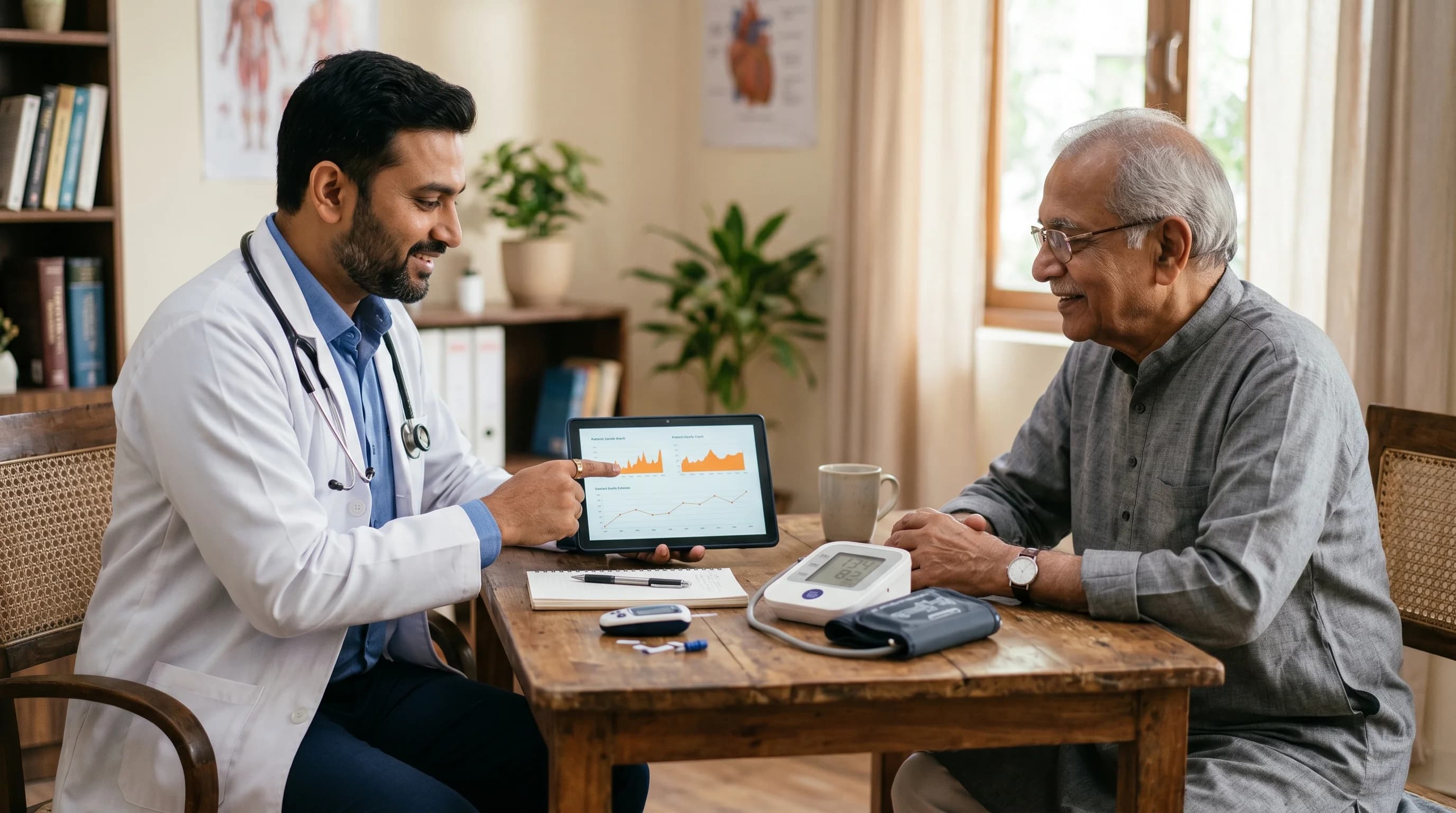
Dr. Sharma, a GP in Lucknow, sighed as he called in his next patient. A young man, complaining of a persistent cough. Dr. Sharma knew the drill: quick listen to the chest, prescribe a cough syrup, and move on to the next in the queue. But lately, he'd been haunted by cases that seemed simple at first, only to unravel into complex underlying issues later. He remembered Mrs. Verma, whose "simple indigestion" turned out to be early-stage cardiac distress.
This article is for doctors like Dr. Sharma, clinic owners, and hospital administrators across India who are striving to provide better care amidst ever-increasing patient loads and limited resources. We'll explore what constitutes a truly complete patient history, why it's crucial for accurate diagnoses and effective treatment, and how you can practically implement it in your clinic, whether you're in a bustling metro or a Tier 2 city. We'll ditch the theoretical jargon and focus on actionable steps, real-world costs, and India-specific solutions.
Why "Quick Consults" Can Cost You – and Your Patients
We all know the pressure. Long queues, demanding patients, and the constant ticking clock. It's tempting to cut corners, especially when taking a detailed patient history feels time-consuming. But consider this:
- Misdiagnosis and Delayed Treatment: Relying solely on the presenting complaint can lead to overlooking crucial underlying conditions. The "simple cough" could be asthma, heart failure, or even early-stage tuberculosis – all requiring vastly different treatments.
- Increased Risk of Adverse Drug Reactions: Without a comprehensive drug history, you risk prescribing medications that interact negatively with existing treatments, leading to potentially serious complications.
- Higher Healthcare Costs: Inaccurate diagnoses often result in unnecessary tests, prolonged hospital stays, and ultimately, increased costs for both the patient and the healthcare system. A study published in the Indian Journal of Medical Ethics highlighted the significant financial burden of diagnostic errors in the Indian context.
- Erosion of Patient Trust: Patients can sense when they're being rushed. A thorough history demonstrates genuine care and builds trust, leading to better adherence to treatment plans and improved patient outcomes.
The Pillars of a Complete Patient History: Beyond the Symptoms
So, what does a complete patient history actually look like? It goes far beyond simply asking about the patient's current symptoms. Here's a breakdown of the key components:
1. Presenting Complaint (PC): This is the patient's primary reason for seeking consultation. Document it verbatim – "I have a persistent cough," "My stomach has been hurting for a week," etc.
Example: "Patient states, 'I've been feeling extremely tired for the past month, even after a full night's sleep.'"
2. History of Presenting Complaint (HPC): This is where you delve deep into the details of the PC. Use the SOCRATES mnemonic to guide your questioning:
- Site: Where is the pain/discomfort located?
- Onset: When did the symptoms start?
- Character: What does the pain/discomfort feel like (sharp, dull, burning, etc.)?
- Radiation: Does the pain/discomfort spread to other areas?
- Associations: Are there any other symptoms associated with the pain/discomfort (nausea, vomiting, fever, etc.)?
- Time course: How has the pain/discomfort changed over time? Is it constant or intermittent?
- Exacerbating/relieving factors: What makes the pain/discomfort worse or better?
- Severity: On a scale of 1 to 10, how severe is the pain/discomfort?
Example: For the "extreme tiredness" complaint, you might ask: "When did you first start feeling tired? Is it constant, or does it come and go? Is it worse at certain times of the day? Does anything make it better or worse? On a scale of 1 to 10, how would you rate your tiredness?"
3. Past Medical History (PMH): Document all previous illnesses, surgeries, hospitalizations, and injuries. Be specific.
Example: "Patient reports a history of typhoid fever at age 10, appendectomy in 2010 at KGMC Lucknow, and a broken arm in 2015." Don't just write "appendectomy" – note the year and location.
4. Drug History (DH): This is critical. Ask about all medications, including:
- Prescription medications
- Over-the-counter (OTC) medications (pain relievers, antacids, etc.)
- Traditional medicines (Ayurvedic, Unani, Siddha, Homeopathic)
- Supplements (vitamins, minerals, herbal remedies)
For each medication, record the name, dosage, frequency, and duration. Always ask about allergies and adverse reactions.
Example: "Patient reports taking Metformin 500mg twice daily for diabetes, Livogen syrup as needed for anemia, and Triphala churna every night for constipation. Denies any known drug allergies."
5. Family History (FH): Ask about the medical history of the patient's parents, siblings, and children. Focus on conditions that have a strong genetic component, such as:
- Heart disease
- Diabetes
- Cancer
- Mental health disorders
- Hypertension
- Stroke
Example: "Patient reports a family history of diabetes on the maternal side (mother and grandmother). Father has a history of hypertension."
6. Social History (SH): This provides valuable context about the patient's lifestyle and environment. Ask about:
- Smoking: How many cigarettes per day? For how many years?
- Alcohol: How often do you drink alcohol? What type of alcohol? How much do you consume?
- Recreational drug use: Be direct but non-judgmental.
- Accommodation: Where do you live? Is it clean and safe?
- Living arrangements: Who do you live with?
- Occupation: What do you do for work? Does your job expose you to any hazards?
- Diet: What does a typical day's diet look like?
- Exercise: How often do you exercise? What type of exercise?
- Marital status: Are you married, single, divorced, widowed?
- Pets: Do you have any pets?
Example: "Patient reports smoking 10 bidis per day for the past 5 years. Drinks alcohol occasionally (once a week, 2 pegs of whisky). Works as a construction worker. Lives in a small rented room with his family."
7. Review of Systems (ROS): This is a comprehensive checklist of symptoms across different body systems. Ask about:
- Cardiovascular: Chest pain, shortness of breath, palpitations, edema
- Respiratory: Cough, wheezing, shortness of breath
- Gastrointestinal: Abdominal pain, nausea, vomiting, diarrhea, constipation
- Nervous: Headache, dizziness, numbness, weakness
- Musculoskeletal: Joint pain, muscle pain, stiffness
- Genitourinary: Changes in urination, sexual dysfunction
Example: "Patient denies any chest pain, shortness of breath, or palpitations. Reports occasional headaches and constipation."
8. Ideas, Concerns, and Expectations (ICE): This is crucial for patient-centered care. Ask the patient:
- What do you think is causing your symptoms?
- What are you most concerned about?
- What are you hoping to get out of this consultation?
Example: "Patient believes his tiredness is due to stress at work. He is concerned about developing diabetes like his mother. He is hoping to get some medication to help him sleep better."
Practical Implementation: Making it Work in Your Clinic
Okay, that's a lot of information to gather for every patient. How can you realistically implement this in your busy practice?
1. Streamline Your Workflow:
- Pre-Consultation Questionnaires: Use questionnaires (paper or digital) to gather basic information before the consultation. This saves time and allows you to focus on more complex issues.
- Triage Nurses: Train nurses to take initial patient histories, freeing up your time for diagnosis and treatment.
- Standardized Templates: Create standardized templates for documenting patient histories in your EMR (or on paper). This ensures consistency and completeness.
2. Leverage Digital Tools (But Strategically):
- ABDM Integration: Embrace the Ayushman Bharat Digital Mission (ABDM). Linking patient records to their Ayushman Bharat Health Account (ABHA) allows you to access their medical history from other providers. This is especially useful for patients who move frequently or see multiple specialists. The NHA may provide a payment of ₹20 for each record shared, encouraging healthcare institutions to integrate with ABDM.
- EMR Systems: Invest in a user-friendly EMR system that allows you to efficiently document and access patient information. Look for systems that are ABDM-compliant and offer features like pre-built templates, medication interaction checkers, and decision support tools. EMR software in India typically starts from around ₹100 per day for basic plans. Advanced EMR systems for clinics or hospitals can cost ₹15,000 to ₹1,00,000 per year, depending on features and usage.
- Personal Health Record (PHR) Apps: Encourage patients to use PHR apps to manage and share their health records. This empowers patients to take control of their health and provides you with more complete information.
3. Patient-Centered Communication:
- Active Listening: Pay attention to what the patient is saying, both verbally and non-verbally.
- Open-Ended Questions: Use open-ended questions to encourage patients to elaborate on their symptoms.
- Empathy: Show empathy and understanding. This builds trust and encourages patients to be more forthcoming with information.
- Language Sensitivity: Be aware of language barriers. Use simple language and consider using a translator if necessary.
4. Training and Education:
- Train your staff: Provide ongoing training to your staff on proper history-taking techniques and documentation practices.
- Stay updated: Keep yourself updated on the latest medical guidelines and best practices.
Tier 2/3 City Considerations: Adapting to Local Realities
Implementing a complete patient history can be particularly challenging in Tier 2 and Tier 3 cities due to:
- Limited Infrastructure: Unreliable internet connectivity, power outages, and lack of access to technical support.
- Lower Awareness: Lower awareness of the benefits of digital health solutions among both doctors and patients.
- Cost Sensitivity: Greater cost sensitivity among patients, making it difficult to charge for additional services.
- Language Barriers: More pronounced language and literacy barriers.
- Limited Resources: Fewer resources for training and education.
Here are some strategies for adapting to these realities:
- Choose Affordable Solutions: Opt for EMR systems that are specifically designed for smaller clinics and offer affordable pricing plans.
- Focus on Essential Features: Prioritize essential features like basic history taking, medication management, and appointment scheduling. Don't get bogged down by unnecessary bells and whistles.
- Offline Functionality: Choose EMR systems that offer offline functionality, allowing you to continue working even when the internet is down.
- Multilingual Support: Select EMR systems that offer multilingual support to cater to diverse patient populations.
- Community Outreach: Conduct community outreach programs to raise awareness about the benefits of digital health solutions.
- Partner with Local Organizations: Partner with local organizations to provide training and support to doctors and staff.
The Cost of Implementation: Is it Worth It?
Implementing a complete patient history system requires an investment of time and money. But the long-term benefits far outweigh the costs. Let's break down the potential costs and ROI:
- EMR Software Costs: As mentioned earlier, EMR software can range from ₹100 per day for basic plans to ₹15,000 to ₹1,00,000 per year for advanced systems.
- Training Costs: Training your staff on proper history-taking techniques and EMR usage will require an initial investment of time and resources. However, this will pay off in the long run through improved efficiency and accuracy.
- Implementation Costs: The average cost of EMR implementation can range from $15,000 to $70,000 (approximately ₹12,50,000 to ₹58,00,000 at current exchange rates) per provider.
ROI:
- Reduced Diagnostic Errors: A complete patient history helps you make more accurate diagnoses, reducing the risk of costly errors and unnecessary tests.
- Improved Patient Outcomes: Better diagnoses lead to more effective treatment plans, resulting in improved patient outcomes and increased patient satisfaction.
- Increased Efficiency: Streamlined workflows and digital tools can help you see more patients in less time. Clinics may see an average increase of 27% in the active-patients-to-clinician ratio and an average increase of 10% in the active-patients-to-clinical-support-staff ratio after EMR implementation.
- Government Incentives: The NHA may provide a payment of ₹20 for each record shared, encouraging healthcare institutions to integrate with ABDM.
- Enhanced Reputation: Providing high-quality, patient-centered care enhances your reputation and attracts more patients.
Primary care clinics can recover their EHR investments within an average period of 10 months.
How Ayu Helps Your Clinic
Doctors today are drowning in data but starving for insight. Every consultation generates records — prescriptions, test results, imaging, vitals — scattered across EMRs, paper files, WhatsApp screenshots, and lab printouts.
Ayu is the clinical intelligence layer that sits on top of your existing setup — no migration, no disruption.
Whether you're on Crystal, YaraGo, or any other system, Ayu connects without requiring you to switch, migrate, or retrain your staff. Your workflow stays intact. Your intelligence gets upgraded.
Ask it anything:
- "What was this patient's blood sugar trend over the last 6 months?"
- "What medications are they currently on — and are there any interactions?"
- "How many of my patients missed follow-up after their last procedure?"
Before a patient walks in, Ayu has already read their history, summarized what's changed since their last visit, and flagged what needs attention. You walk in informed. They leave feeling heard.
Your EMR stores data. Ayu makes it useful.
Frequently Asked Questions
Common questions about implementing complete patient history systems in Indian clinics
Conclusion
Taking a complete patient history is not just a formality; it's the cornerstone of good medical practice. It's an investment that pays off in improved diagnoses, better patient outcomes, and a stronger reputation for your clinic.
Your Action Today:
Download a sample patient history questionnaire template and adapt it for your practice. Start using it with your next patient and see the difference it makes. You can find free templates online by searching for "patient history questionnaire template India."
Want to take control of your health records?
Ayu is a private health records app that keeps all your medical documents organised, accessible, and shareable — right from your phone.
- All records in one secure place
- Share with any doctor in seconds
- AI-powered report explanations